Starting a homestead garden can be an exciting adventure, but figuring out what to grow can feel overwhelming. Whether you’re aiming for a self-sufficient lifestyle or just want to enjoy fresh produce at your fingertips, certain crops make it easier to get the most out of your space and efforts. Here’s a list of 10 essential crops that not only flourish in various conditions but also provide reliable yields for your homestead garden.
Herbs: Enhancing Flavor and Health
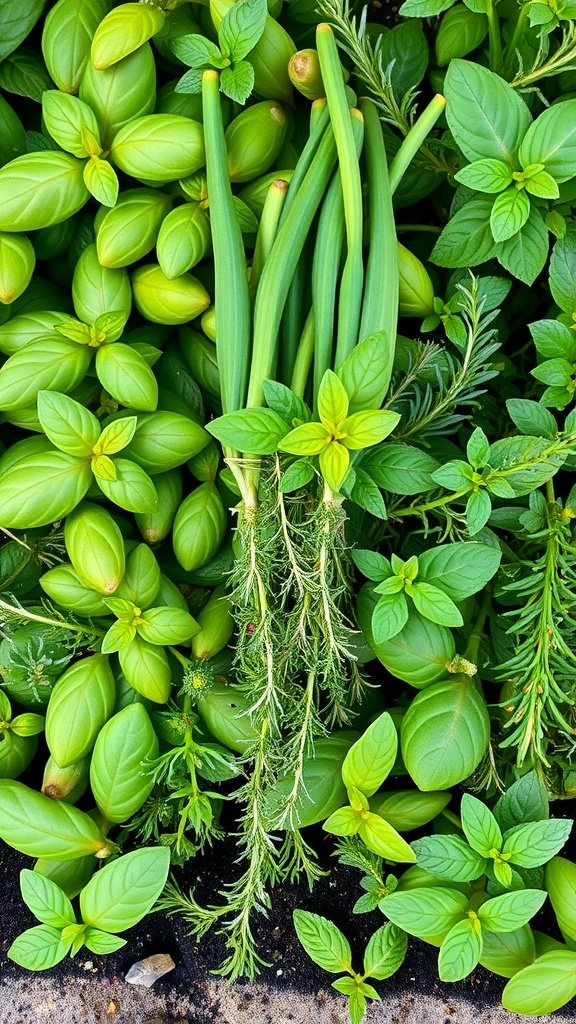
Herbs are a delightful addition to any homestead garden. They not only add flavor to your meals but also offer numerous health benefits. In the image, you can see a vibrant collection of herbs like basil, rosemary, and leafy greens. These plants thrive together, showcasing the beauty of sustainable gardening.
Growing herbs is a great way to create a self-sufficient garden. You can easily snip off a few leaves for your favorite dishes, making everyday cooking more enjoyable. Plus, herbs like basil and rosemary are some of the best crops to grow at home due to their adaptability and ease of care.
Using fresh herbs in your cooking is simple. You can chop basil and mix it with tomatoes for a refreshing salad or use rosemary to season your roasted vegetables. The possibilities are endless! By incorporating herbs into your meals, you’re not just enhancing flavor; you’re also boosting your health with their natural properties.
Whether you have a large garden or just a few pots on your windowsill, herbs are perfect for any space. Start small, and soon you’ll find yourself exploring new recipes and flavors. Homestead gardening with herbs can turn your kitchen into a vibrant space filled with fresh, aromatic ingredients.
Potatoes: A Hardy Crop for All Seasons
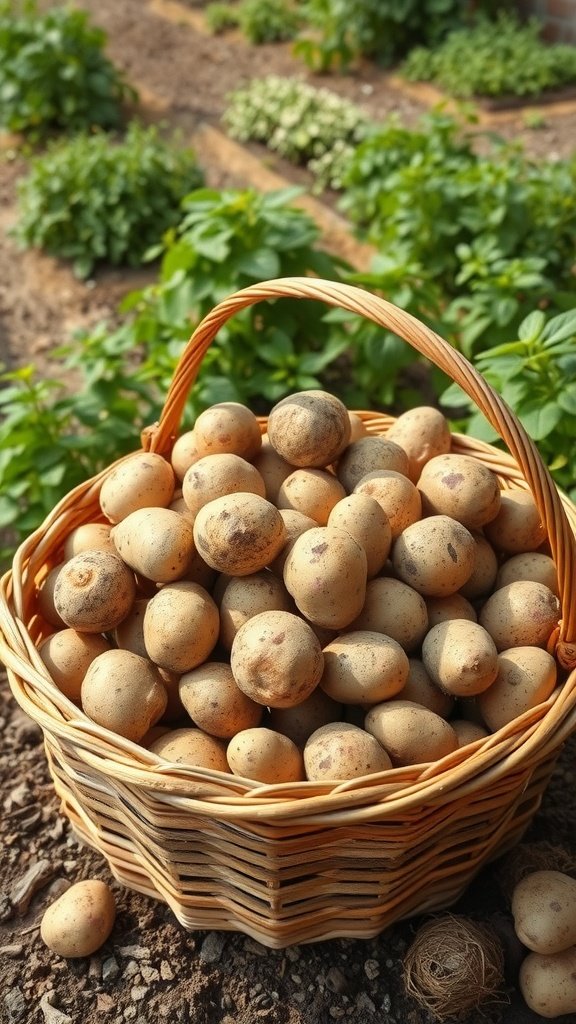
Potatoes are a staple in many gardens and for good reason. This image shows a beautiful basket overflowing with freshly harvested potatoes, a true reward for any gardener’s hard work. The rich, earthy color of the potatoes contrasts nicely with the vibrant green of the plants in the background, showing just how well they thrive in a homestead garden.
Growing potatoes is not only a fun project, but it also supports sustainable gardening practices. They are resilient and can be grown in a variety of conditions, making them one of the best crops to grow at home. You can enjoy them in salads, as sides, or even in hearty soups.
For a self-sufficient garden, consider planting different varieties of potatoes to enjoy a range of flavors and textures. They can be harvested from early summer to late fall, depending on your planting time. With some planning, you can enjoy fresh potatoes almost year-round!
If you’re new to homestead gardening, don’t worry; potatoes are forgiving. They prefer loose, well-drained soil and can be grown in raised beds or even containers. Plus, they can enrich your soil for future crops. So grab a basket and start planting; soon you’ll be enjoying your own homegrown potatoes!
Heirloom Tomatoes for Flavorful Harvests
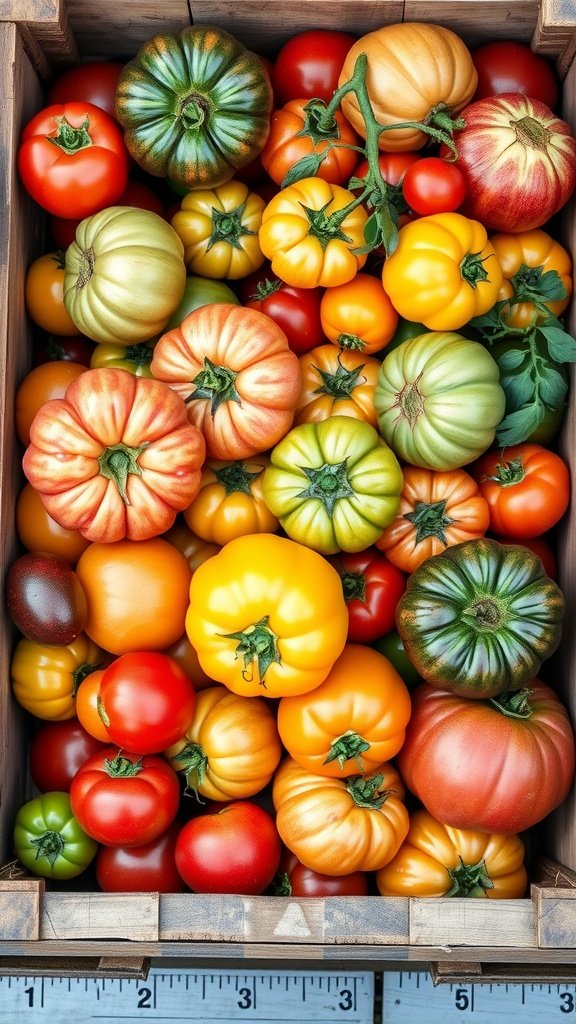
When you think of a self-sufficient garden, heirloom tomatoes are likely at the top of your list. These vibrant fruits come in a rainbow of colors, shapes, and sizes, making them not only delicious but also visually appealing. Imagine opening your garden box to find a rich assortment of red, yellow, green, and orange tomatoes, each with its own unique flavor profile.
Heirloom tomatoes thrive in homestead gardening thanks to their rich taste and adaptability. They are often more flavorful than hybrid varieties, offering a taste of the past that many gardeners cherish. Plus, they are perfect for sustainable gardening practices, as saving seeds from these plants allows you to grow them year after year without needing to buy new seeds.
Growing heirloom tomatoes also has the added benefit of supporting biodiversity. With so many different varieties, you can select those that suit your local climate and soil conditions best. This not only enhances your garden’s productivity but also contributes to a healthier ecosystem.
Whether you’re making a fresh salad, a hearty sauce, or just enjoying them straight off the vine, heirloom tomatoes are among the best crops to grow at home. They connect you to the gardening traditions of previous generations and allow you to experience flavors that are often lost in commercial varieties.
Zucchini: High Yield and Low Maintenance
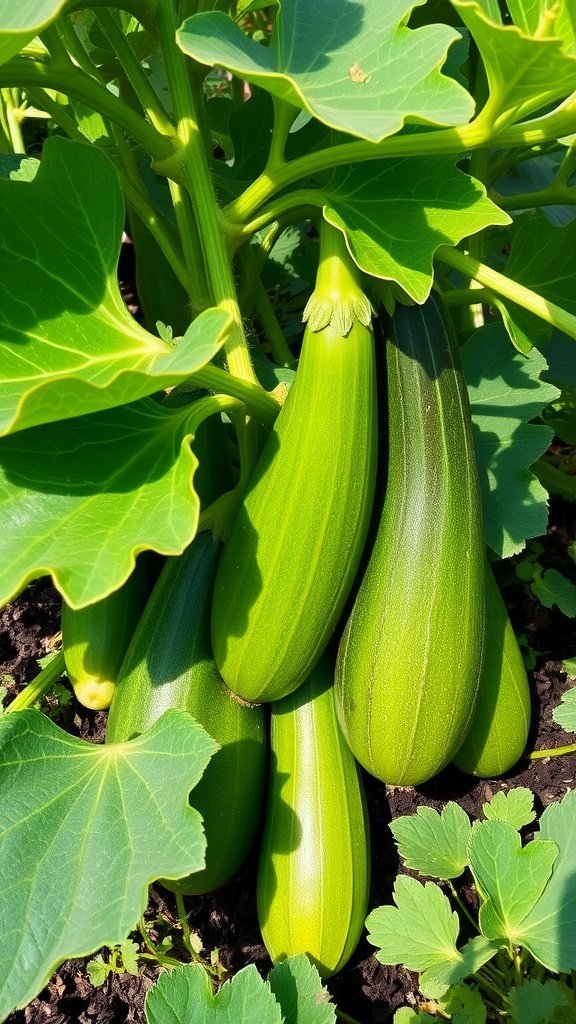
Zucchini is a fantastic choice for anyone looking to create a self-sufficient garden. This vegetable is known for its high yield and low maintenance needs. When you plant zucchini in your homestead garden, you can expect a bountiful harvest with minimal effort.
These vibrant green zucchinis are easy to spot among the lush green leaves. The plant grows large, leafy stems that provide enough shade and support for the fruit. As seen in the image, the zucchinis thrive under the sun, showcasing their glossy skin and robust shape.
One of the best crops to grow at home, zucchini can be used in various recipes. Whether you’re making zucchini bread, stir-fry, or grilled veggies, you’ll find plenty of ways to enjoy this versatile squash. To prepare a simple dish, toss sliced zucchini with olive oil, salt, and pepper, then roast them until tender.
With zucchini in your garden, you’ll not only enjoy delicious meals but also contribute to sustainable gardening practices. These plants are generally pest-resistant and can flourish in a variety of soil types, making them perfect for novice gardeners and seasoned pros alike.
Nutritious Kale: A Superfood Staple
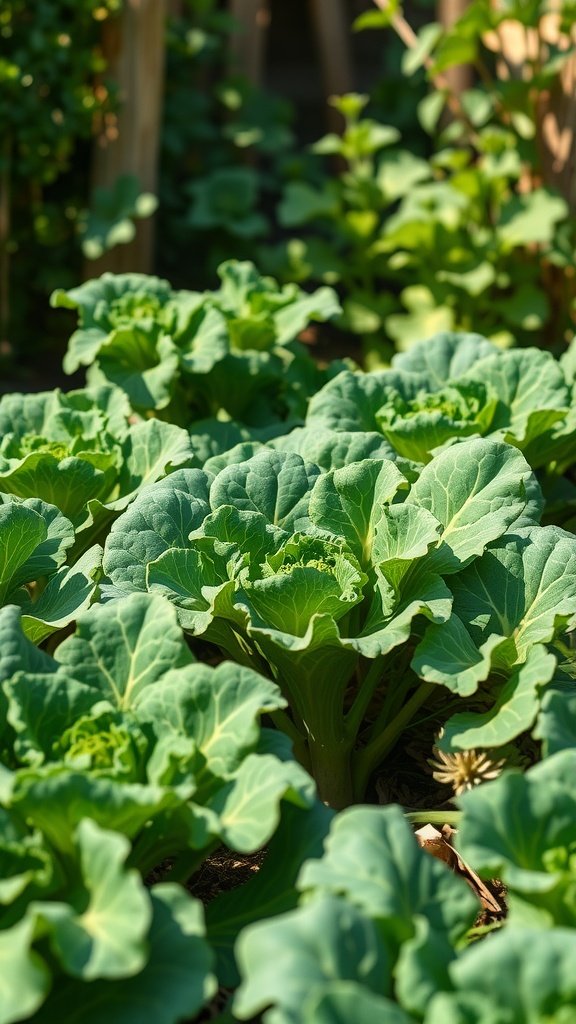
Kale is often hailed as a superfood, and for good reason! This leafy green is packed with vitamins A, C, and K, along with minerals like calcium and potassium. It’s not just nutritious; it’s also a versatile addition to any garden. Kale thrives in a variety of conditions, making it one of the best crops to grow at home.
In the image, you can see a lush patch of kale, its vibrant green leaves reaching towards the sun. This type of kale provides a feast for the eyes and the body. Growing kale can be a rewarding experience in your journey toward a self-sufficient garden. Plus, it’s easy to care for, requiring minimal maintenance.
When it comes to sustainable gardening, kale checks all the boxes. You can harvest it multiple times throughout the season, allowing for continuous growth. The more you pick, the more it produces! Imagine having fresh kale available whenever you want to whip up a delicious salad or smoothie.
For a simple kale salad, all you need is a handful of fresh kale, some olive oil, lemon juice, salt, and your favorite toppings like nuts or dried fruits. Just massage the leaves with the olive oil and lemon juice for a couple of minutes, then add your toppings. Voilà! You have a nutritious dish that showcases your homegrown kale.
Carrots: Easy to Grow and Versatile
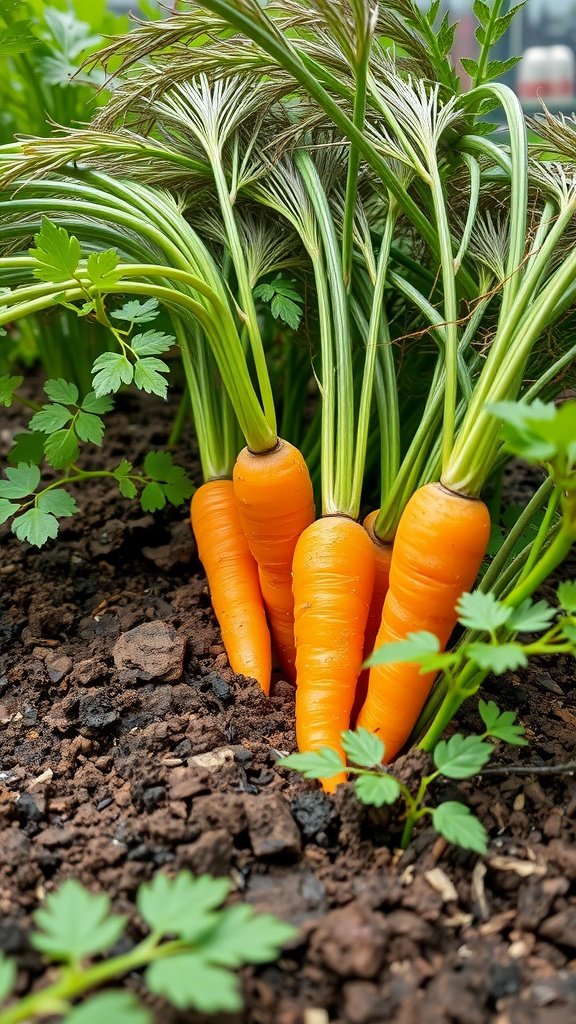
Carrots are a fantastic choice for any homestead garden. Their bright orange color and crisp texture make them a favorite among many. In the image, you can see healthy carrots peeking out of the soil, surrounded by vibrant greenery. This scene perfectly illustrates what can thrive in a self-sufficient garden.
One of the best things about carrots is how easy they are to grow. Whether you have limited space or a large plot, carrots can adapt to various gardening styles. They are perfect for sustainable gardening since they require minimal maintenance and can be planted in rows or even containers.
Carrots are also incredibly versatile in the kitchen. You can enjoy them raw in salads, roasted as a side dish, or even blended into soups. Plus, they store well, making them a smart choice for anyone looking to harvest their crops and use them throughout the year.
Incorporating carrots into your homestead gardening plan not only adds nutrition to your meals but also enhances the overall beauty of your garden. Their lush green tops and bright orange roots create a lovely contrast in any space. Consider planting a variety of carrot types to bring different colors and flavors to your plate!
Pepper Varieties: Spice Up Your Garden
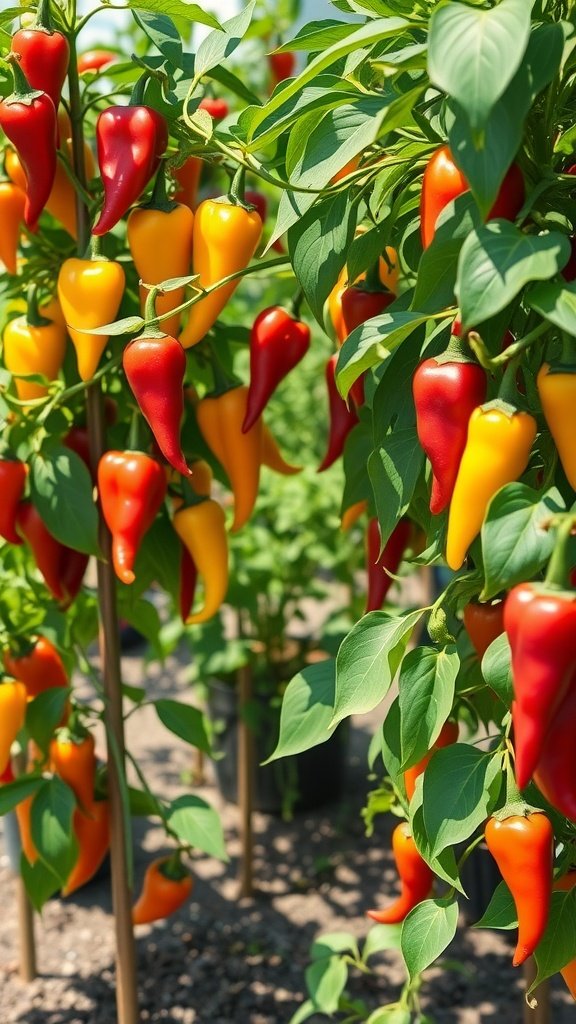
Peppers are a vibrant addition to any homestead garden. With their bright colors and diverse flavors, they can enhance both your meals and your garden’s appeal. Whether you’re making salsa, stuffing them, or adding them to your favorite dishes, peppers are versatile and rewarding to grow.
When selecting pepper varieties for your self-sufficient garden, consider growing a mix of sweet and hot peppers. Bell peppers are a staple, easy to grow, and perfect for snacking or cooking. On the other hand, jalapeños and habaneros can add a kick to your recipes, making them exciting for spice lovers.
Planting peppers in a sunny spot is essential for optimal growth. They thrive in warm temperatures and need well-drained soil. As you care for them, remember to water consistently but avoid overwatering. This balance is crucial for sustainable gardening practices.
Harvesting peppers regularly encourages more fruit production. You can enjoy them fresh, or if you have a surplus, consider pickling or freezing them for later use. This way, you can savor the taste of summer in the colder months.
By incorporating peppers into your homestead gardening, you not only enrich your meals but also cultivate a garden that’s pleasing to the eye. Plus, they’re among the best crops to grow at home for both beginners and seasoned gardeners.
Beans: Climbing Vines for Vertical Space
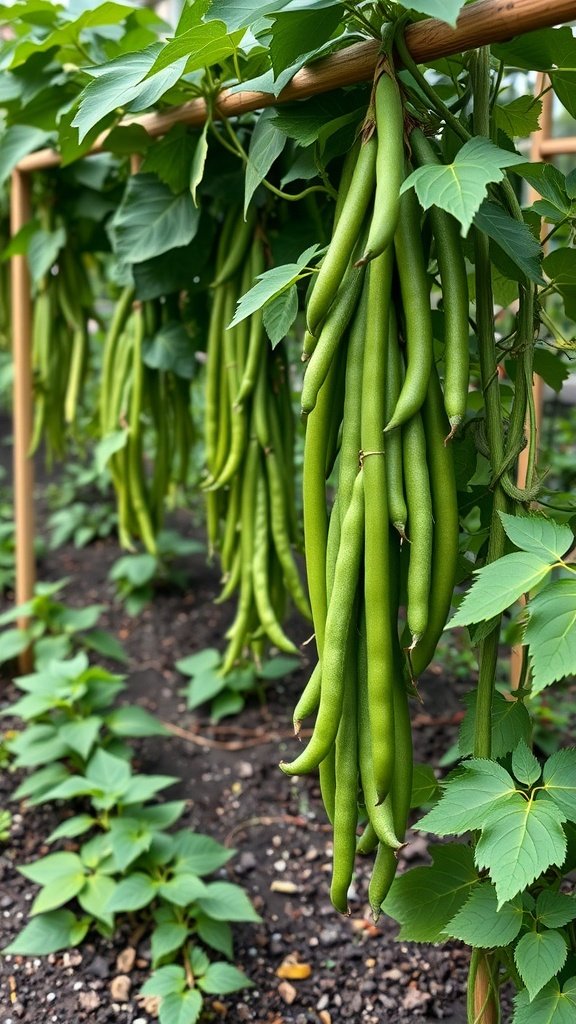
Beans are a wonderful addition to any homestead garden. They not only provide delicious produce but also make use of vertical space efficiently. In the image, you can see a thriving bean plant with long, green pods hanging from a sturdy trellis. This setup helps the beans to grow upwards, leaving more room for other crops below.
Growing beans isn’t just about the yield; it contributes to a self-sufficient garden. These plants are nitrogen-fixers, meaning they enrich the soil. This is a key benefit in sustainable gardening, as it minimizes the need for chemical fertilizers.
If you’re considering the best crops to grow at home, beans should definitely be on your list. They’re easy to plant and care for, making them ideal for both beginners and experienced gardeners alike. Plus, the climbing vines add a beautiful green aesthetic to your garden space.
When planning your garden layout, consider incorporating poles or trellises for your beans. This not only helps with space management but also provides support for the plants as they climb. You’ll soon find that a yard filled with flourishing bean vines adds both productivity and charm to your homestead.
Lettuce: Quick-Growing Greens for Salads

Lettuce is one of the stars of any self-sufficient garden. This leafy green grows quickly, making it a favorite among homestead gardening enthusiasts. With its vibrant colors and varying textures, it not only adds beauty to your garden but also provides fresh ingredients for your meals.
In the image, you can see rows of lush lettuce, showcasing shades of green and hints of red. This diversity not only makes your garden appealing but also allows you to enjoy different flavors and textures in your salads. Lettuce can be planted in spring or fall, depending on your climate, giving you multiple opportunities to harvest throughout the year.
For those looking to create a sustainable gardening experience, lettuce is an ideal choice. It can be grown in small spaces or containers, perfect for anyone trying to maximize their garden’s potential. Plus, the quick growth cycle means you’ll have fresh greens in no time!
To enjoy your freshly picked lettuce, consider making a simple salad. Just toss together some chopped lettuce, cherry tomatoes, cucumbers, and your favorite dressing. This easy dish is a refreshing way to celebrate the fruits of your labor.
In conclusion, lettuce is one of the best crops to grow at home. It’s easy to care for, grows quickly, and can be used in various dishes. Start planting lettuce in your homestead garden, and enjoy the benefits of fresh, homegrown greens!
Cucumbers: Refreshing and Productive
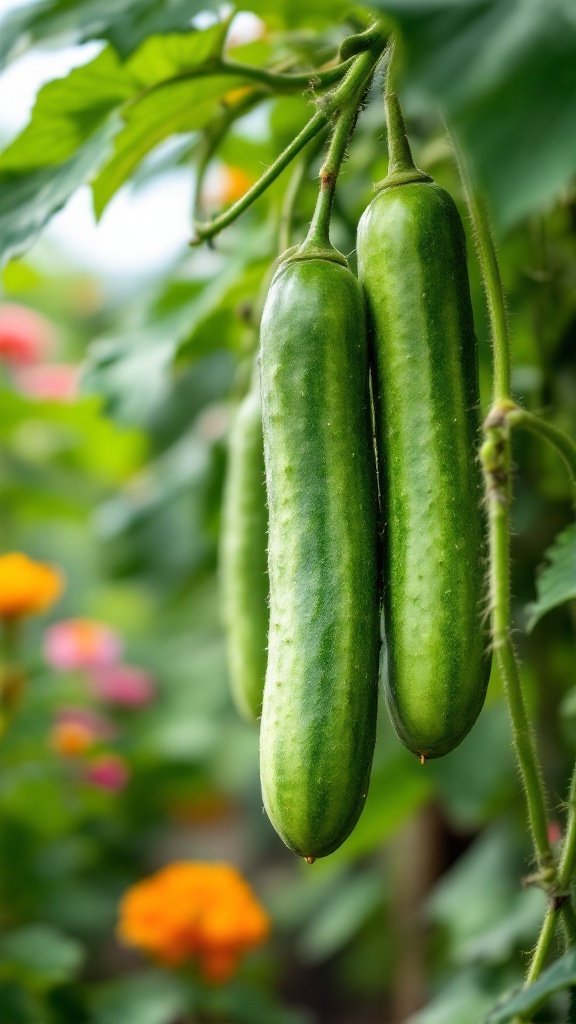
Cucumbers are a delightful addition to any homestead garden. They thrive in warm weather and can produce abundant yields with just a little care. In the image, you can see healthy cucumber plants hanging from a trellis, showcasing their vibrant green hues. This visual captures the essence of sustainable gardening, where plants flourish in a nurturing environment.
Growing cucumbers can be quite rewarding, as they are easy to maintain and can be harvested in just a few weeks after planting. They love to climb, so providing them with a trellis not only saves space but also helps keep the fruit off the ground. This technique is perfect for anyone exploring the best crops to grow at home.
Cucumbers are not just refreshing; they can be used in many dishes. Think of crisp salads, homemade pickles, or even refreshing cucumber water. For a quick recipe, simply slice cucumbers, toss them with some vinegar, salt, and a sprinkle of dill, and you’ve got a tasty side dish ready in minutes. This versatility makes cucumbers a staple in any self-sufficient garden.
As you continue your journey into homestead gardening, consider including cucumbers in your planting plans. Their delightful crunch and fresh flavor will enhance your meals while supporting your sustainable lifestyle.


Leave a Reply