Permaculture gardening is all about working with nature rather than against it, creating sustainable and self-sufficient ecosystems in our own backyards. Understanding the key principles of permaculture can make a big difference in how you approach gardening. In this post, we’ll break down 10 essential permaculture principles that can help you cultivate a thriving garden while promoting ecological balance and making the most of your space and resources.
Implementing Companion Planting Techniques
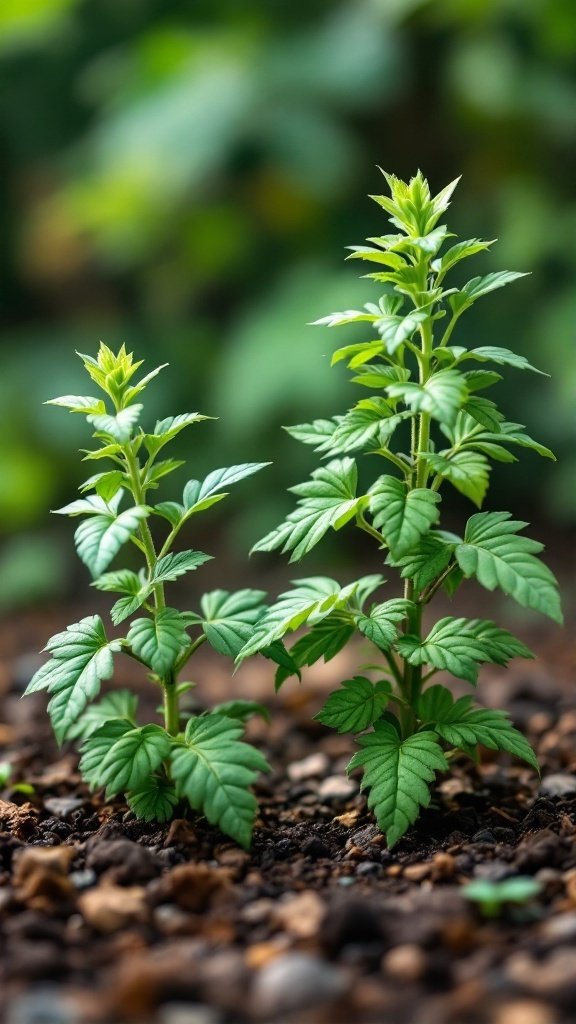
Companion planting is a key strategy in sustainable gardening methods that can boost your permaculture garden design. The image above shows healthy young plants thriving in their environment, which is a perfect representation of how well-chosen plant pairings can create a balanced ecosystem.
When you plant different species close together, they can benefit from each other in various ways. For instance, some plants can repel pests, while others may attract beneficial insects. This not only enhances biodiversity but also minimizes the need for chemical interventions, making your garden more eco-friendly.
Think of herbs like basil and vegetables like tomatoes. Together, they can improve flavor and growth. This is a simple yet effective organic gardening tip that anyone can apply. By planning your garden layout with companion plants in mind, you’ll create a more resilient and productive space.
Also, keep in mind the importance of planting nitrogen-fixing plants alongside others. These can enrich the soil, providing essential nutrients to their companions. Implementing these techniques will make your garden not just beautiful, but truly sustainable.
Creating Healthy Soil Ecosystems
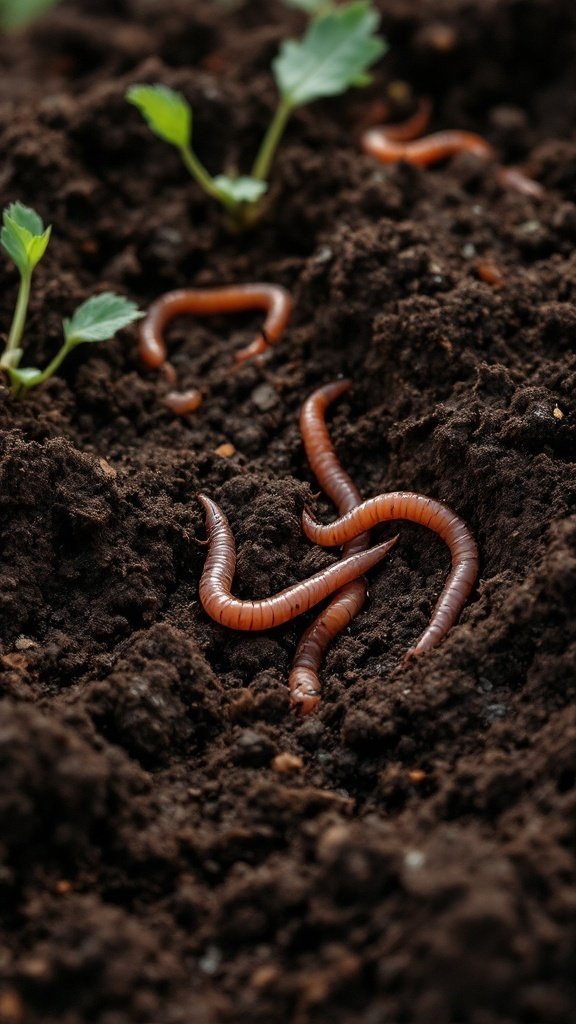
When you look at a thriving garden, what often goes unnoticed is the life happening beneath the surface. Healthy soil ecosystems are vital for successful permaculture garden design. This image beautifully illustrates the role of earthworms in creating rich, fertile soil.
The dark, crumbly earth is a sign of nutrient density, thanks in part to these wriggly helpers. Earthworms break down organic matter, aerate the soil, and improve drainage. They also create nutrient-rich castings that serve as a natural fertilizer. Incorporating these creatures into your eco-friendly gardening practices can enhance soil health significantly.
In your quest for sustainable gardening methods, consider composting kitchen scraps and planting cover crops. This adds organic material to the soil, supporting those hardworking insects. Alongside earthworms, a variety of microbes and fungi also contribute to soil vitality, working together to create a balanced ecosystem.
Adopting organic gardening tips can further boost your soil’s health. Avoid chemical fertilizers and pesticides, which can harm beneficial organisms. Instead, focus on creating a diverse garden environment that encourages a multitude of life forms to thrive. Healthy soil translates to healthy plants, ultimately leading to a more productive garden.
Embracing Diversity in Plant Selection

In the world of permaculture garden design, diversity is key. The image captures a vibrant pathway lined with a multitude of flowers and greenery, illustrating how diverse plant selection can create a thriving ecosystem. This colorful garden not only looks beautiful but also supports a wide range of beneficial insects and wildlife.
Choosing different plants promotes healthy soil and minimizes pests. When you incorporate various species, each brings unique benefits. For example, some plants attract pollinators, while others can deter harmful insects. This natural balance is essential in eco-friendly gardening.
Additionally, mixing annuals with perennials can lead to a more resilient garden. Annuals provide quick blooms, while perennials add structure and stability over the years. The image reflects this harmony, demonstrating how a diverse garden can flourish.
These sustainable gardening methods highlight the importance of resilience in your plot. Whether you are looking for organic gardening tips or simply want to enjoy a colorful space, embracing diversity is a straightforward yet powerful strategy. So, take inspiration from this lush pathway and begin planning your own diverse permaculture garden!
Maximizing Yield with Vertical Gardening
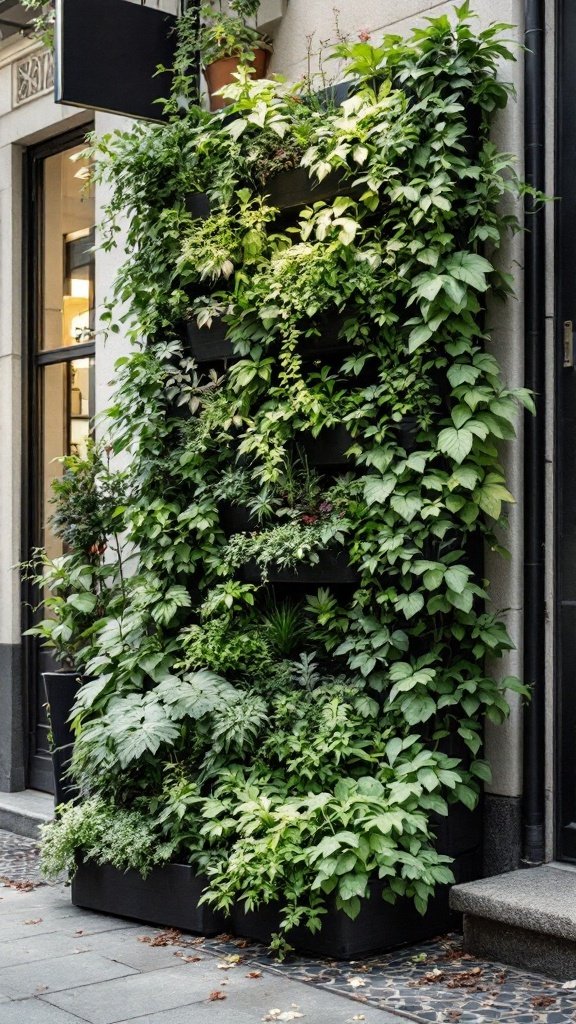
Vertical gardening is a clever way to maximize your gardening space, especially in small areas. The image showcases a beautiful vertical garden filled with lush greenery, demonstrating how you can take advantage of vertical space. Instead of sprawling out, plants grow upwards, providing a vibrant display while saving ground space.
This technique not only enhances the aesthetic of your area but also supports sustainable gardening methods. By layering plants vertically, you can increase the yield of your garden without needing a larger footprint.
Using vertical gardening can also promote eco-friendly gardening practices. This method allows for better air circulation and light exposure for each plant. It’s a win-win for both your plants and the environment!
If you’re into organic gardening tips, consider incorporating a variety of herbs and vegetables in your vertical garden. Plants like climbing beans, tomatoes, and even strawberries can thrive in these setups. It’s a fun way to grow your food while keeping it accessible and manageable.
When planning your permaculture garden design, think about how vertical gardening can fit into your overall layout. This method can complement companion planting, providing support for climbing plants and enhancing biodiversity in your garden.
Capturing and Conserving Water

In permaculture, capturing and conserving water is essential for creating a sustainable garden. The image beautifully illustrates a serene waterway, lined with lush greenery and sturdy rocks. This setup not only captures rainfall but also nurtures the ecosystem around it.
Using natural features like streams and ponds can help you manage water efficiently. By incorporating these elements, you can create a permaculture garden design that supports plant life while minimizing waste. It’s also a visual treat! The flowing water invites beneficial creatures, enriching your garden’s biodiversity.
Think about using swales or rain gardens in your space. These eco-friendly gardening methods can help direct water where it’s needed most. Not only do they provide a natural way to manage runoff, but they also promote soil health and encourage deeper root growth.
So, as you plan your garden, remember the importance of water management. It’s one of the key organic gardening tips that can make a big difference in the health and productivity of your plants. Embracing these principles will lead you toward a thriving, sustainable garden!
Designing for Energy Efficiency

When it comes to permaculture garden design, energy efficiency is key. The image above showcases a beautifully organized garden layout that emphasizes this principle well. Notice how the pathways connect various areas, allowing for easy access to all sections while minimizing energy expenditure.
The garden is surrounded by lush greenery, which plays a big role in energy conservation. Trees and shrubs not only provide shade but also help regulate temperature, reducing the need for excessive watering and other resources. This aligns perfectly with sustainable gardening methods, where understanding the landscape’s natural elements can lead to more eco-friendly gardening practices.
Incorporating elements like the blue umbrella in the image can also enhance energy efficiency. It offers a shaded area for relaxation, encouraging outdoor activities without the heat of the sun weighing you down. This thoughtful design helps in creating a space that is not only functional but also enjoyable for gatherings, further promoting the community aspect of organic gardening tips.
Overall, designing for energy efficiency in a permaculture garden means using resources wisely and creating a harmonious space. The picture illustrates how careful planning can lead to a flourishing garden that supports both the environment and its caretakers.
Fostering Local Wildlife Habitats
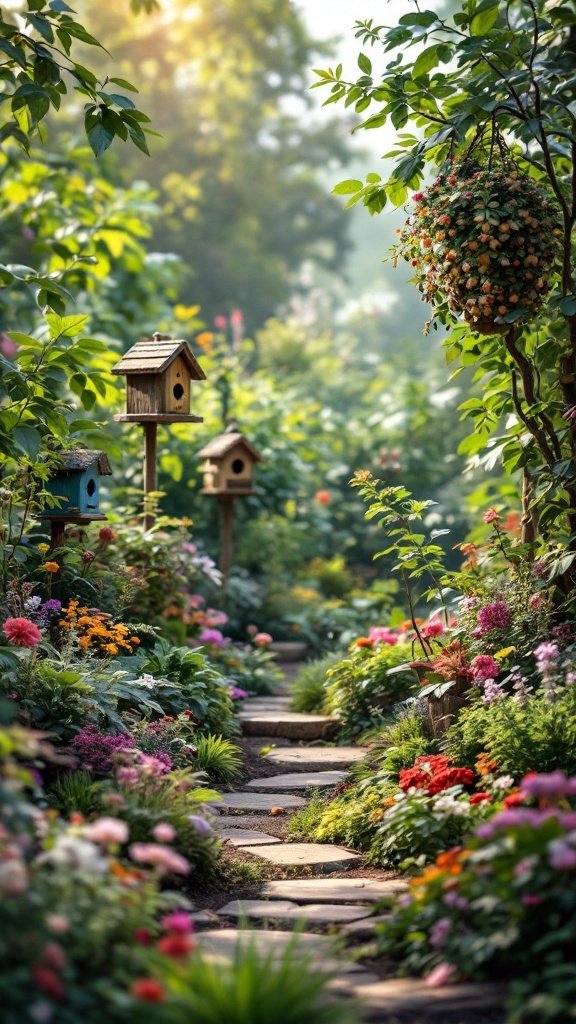
Creating a permaculture garden is not just about growing food; it’s also about fostering local wildlife habitats. The image above beautifully illustrates a vibrant garden filled with colorful flowers and cozy birdhouses, inviting various creatures to thrive. This kind of setting supports biodiversity, which is essential for a balanced ecosystem.
By incorporating features like birdhouses, as shown, you can attract birds that help with pest control and pollination. Using sustainable gardening methods, like native plants, can also create a welcoming environment for local wildlife. These plants provide food and shelter, benefiting both plants and animals alike.
In addition, consider adding a small water source, such as a birdbath. This can be an appealing spot for birds and beneficial insects. Remember, the more diverse your garden, the more wildlife it will attract. Organic gardening tips, such as avoiding pesticides, will further enhance your garden’s appeal to beneficial creatures.
So, when designing your permaculture garden, think beyond just plants. Include elements that create a habitat for wildlife, making your garden a thriving ecosystem. It’s a rewarding way to engage with nature while enjoying the fruits of your labor.
Using Natural Pest Control Methods
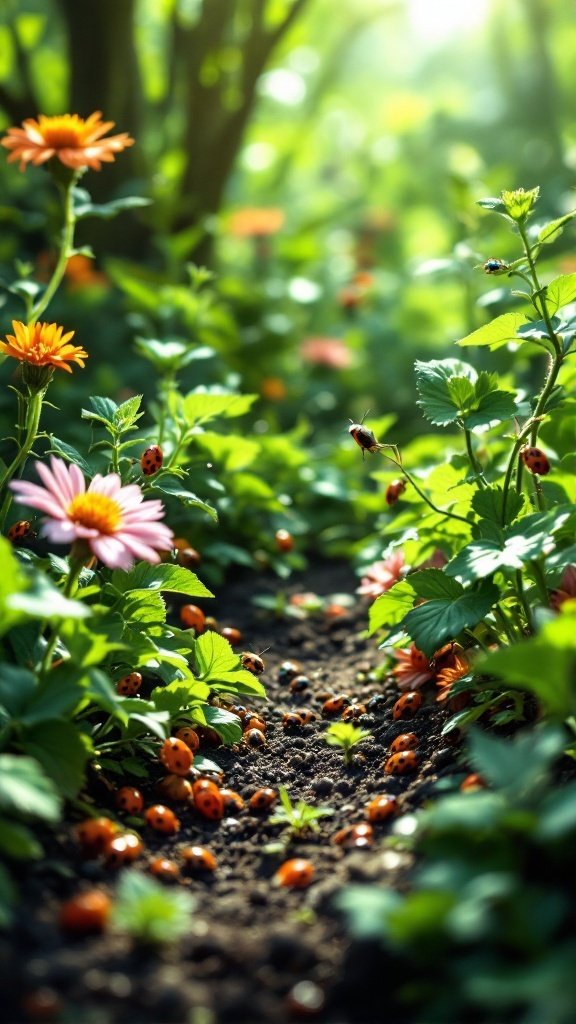
In a thriving permaculture garden, balancing nature is key. The image perfectly captures this balance, showcasing a vibrant scene filled with flowers and ladybugs. These ladybugs are more than just pretty insects; they play a vital role in controlling pests naturally. This is a perfect example of sustainable gardening methods in action.
Instead of reaching for harsh pesticides, consider inviting beneficial creatures like ladybugs into your garden. They feast on aphids and other pesky pests, keeping your plants healthy and happy. This eco-friendly gardening approach not only protects your plants but also supports the local ecosystem.
To create a permaculture garden design that encourages these helpful insects, plant a variety of flowers alongside your vegetables. The blossoms attract ladybugs and other pollinators, enhancing your garden’s productivity. Incorporating organic gardening tips, such as using companion planting, can also deter harmful insects while promoting a healthy garden environment.
Integrating Animals for Soil Health
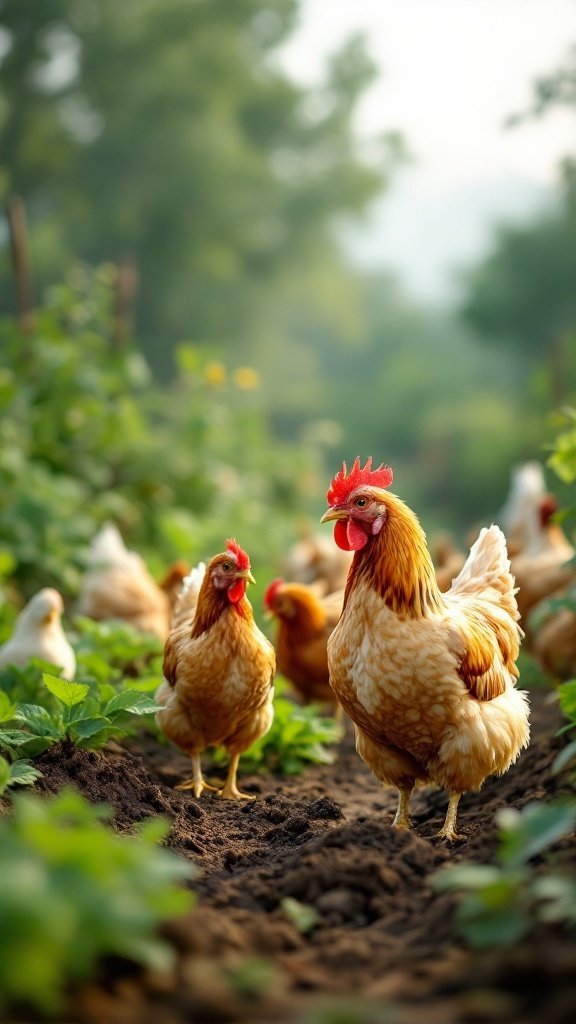
Incorporating animals like chickens in your permaculture garden can really boost soil health. Take a look at the image of these lively chickens roaming through a garden. They’re not just cute; they play a vital role in eco-friendly gardening. These birds naturally contribute to the garden’s ecosystem. Their scratching helps aerate the soil, while their manure provides essential nutrients that enrich the earth. As they forage for pests, they also keep the garden healthier while reducing the need for chemical treatments. This is a perfect example of sustainable gardening methods at work, where every creature has a purpose.
Practicing Seasonal Planting and Crop Rotation
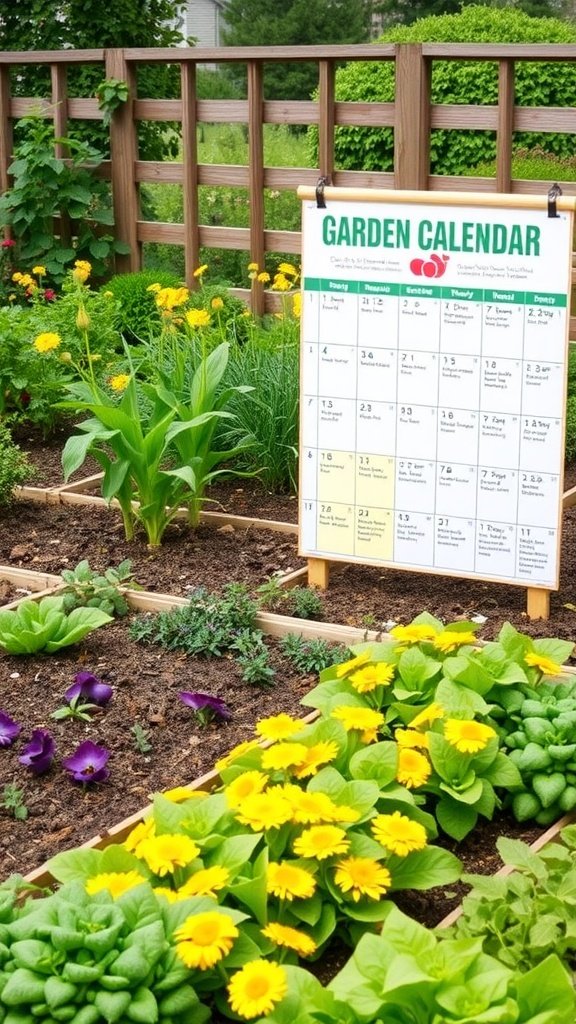
In any permaculture garden design, understanding the timing of planting can make a big difference. The image of a calendar surrounded by vibrant plants reminds us that seasonal planting is key to a successful garden. Each month offers opportunities to grow different crops, ensuring your garden is productive year-round.
Crop rotation is another important aspect of sustainable gardening methods. By changing where you plant certain crops each season, you can improve soil health and reduce pest problems. This calendar serves as a helpful tool for gardeners to track which crops to plant when, and to plan their rotations effectively.
When you practice seasonal planting, you’re also promoting eco-friendly gardening. Different plants can replenish nutrients in the soil, keeping it healthy and fertile. Consider using organic gardening tips to choose plants that will thrive together in your garden space.
Overall, a well-organized planting schedule helps you make the most of your garden. It encourages biodiversity and makes your garden more resilient. So grab a calendar, plan your crops, and enjoy the benefits of seasonal planting and rotation!


Leave a Reply