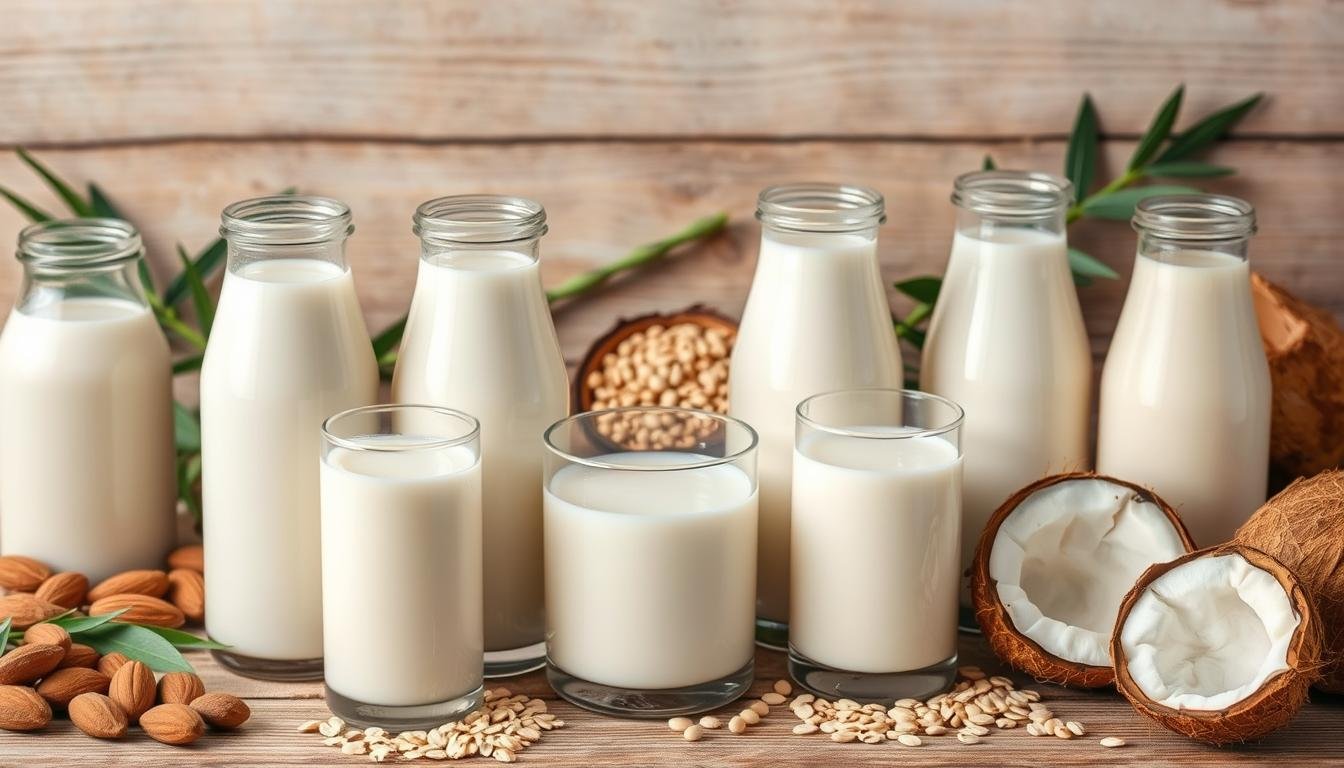
Sarah Martinez was lost in the dairy aisle of the grocery store. She was on a mission to find the right milk. With so many options, from dairy to plant-based, choosing was tough.
The world of milk has changed a lot lately. Now, you can pick from traditional dairy or plant-based milks. Oat milk sales have jumped by 700% from 2018 to 2019. This shows a big change in what people eat.
Finding the right milk depends on your health needs. If you’re lactose intolerant or just want to try something new, there’s a milk for you.
Key Takeaways
- Milk options have expanded beyond traditional dairy
- Plant-based alternatives are rapidly gaining popularity
- Nutritional needs vary for different individuals
- Global milk market is experiencing significant transformations
- Personal health goals should guide milk selection
Understanding Different Milk Options in Modern Diet
The world of milk has changed a lot lately. Now, people face a wide range of choices between dairy and plant-based milks. This is because of different diets and health needs.
Today, milk choices go beyond just dairy. There are many alternatives that meet various health needs and lifestyle preferences.
Evolution of Milk Alternatives
Plant-based milks have grown a lot. This shows how people’s views are changing. Key points include:
- More people know about dietary limits
- More interest in eco-friendly food
- More choices for nutrition
Impact of Dietary Preferences on Milk Selection
Dietary choices greatly affect milk picks. People with health goals or ethical reasons have many options:
| Milk Type | Key Benefits | Best For |
|---|---|---|
| Soy Milk | High protein content | Muscle building |
| Almond Milk | Low calories | Weight management |
| Oat Milk | Allergen-free | Sensitive diets |
Role of Nutritional Needs in Milk Choice
What you need nutritionally is key in picking milk. Plant-based milk options have special benefits for different health goals. They help with protein and managing diets.
“Your milk choice is a personal journey of nutrition and wellness.”
Choice in Milk Types: A Comprehensive Guide
Choosing the right milk can be tough. With so many options, knowing what’s in them is key. From classic dairy to new plant-based choices, there’s something for everyone.
Let’s look at what matters when picking milk:
- Dairy milk is packed with 8 grams of protein per 8-ounce serving
- Plant-based milks have special benefits for certain diets
- Each milk type has its own nutritional profile
When picking milk, think about protein, calcium, and calories. These factors help find the best milk for your health goals.
“Not all milk is created equal – your perfect milk depends on your personal nutritional needs and preferences.”
Here’s a quick look at popular milk options:
| Milk Type | Protein (g) | Calories | Nutrition Score |
|---|---|---|---|
| Cow’s Milk | 8 | 83-146 | 9/10 |
| Soy Milk | 8 | 110 | 7/10 |
| Almond Milk | 1 | 60 | 3/10 |
More than 20% of people are trying milk alternatives now. This shows more people are aware of different nutritional needs. Whether you want high protein, low calories, or special dietary options, there’s a milk for you.
Traditional Dairy Milk Varieties and Their Benefits
Dairy milk comes in many types, each with its own nutritional benefits. Knowing the differences helps you choose the right milk for your diet.
The traditional dairy milk world is vast, from whole milk to fat-free options. Each type has its own health benefits, fitting different dietary needs.
Whole Milk: A Nutrient-Dense Option
Whole milk is packed with nutrients. It has 3.25% milk fat, offering:
- 150 calories per 8-ounce serving
- 8 grams of total fat (12% daily value)
- Essential nutrients like calcium and vitamin D
Reduced-Fat Milk Options
Reduced-fat milk is great for those watching their fat intake. It still offers good nutrition:
| Milk Type | Fat Content | Calories | Fat per Serving |
|---|---|---|---|
| 2% Milk | 2% | 100 | 5g |
| 1% Milk | 1% | 100 | 2.5g |
Fat-Free Milk: A Light Nutritional Powerhouse
Fat-free or skim milk is low in calories but high in nutrients:
- 0 grams of fat
- 80 calories per 8-ounce serving
- 13 essential nutrients
- 8 grams of high-quality protein
“Every glass of milk, regardless of fat content, provides a wealth of essential nutrients crucial for overall health.” – Dairy Nutrition Council
Dairy milk varieties offer something for everyone. You can find the perfect milk to match your nutritional needs and goals.
Plant-Based Milk Revolution
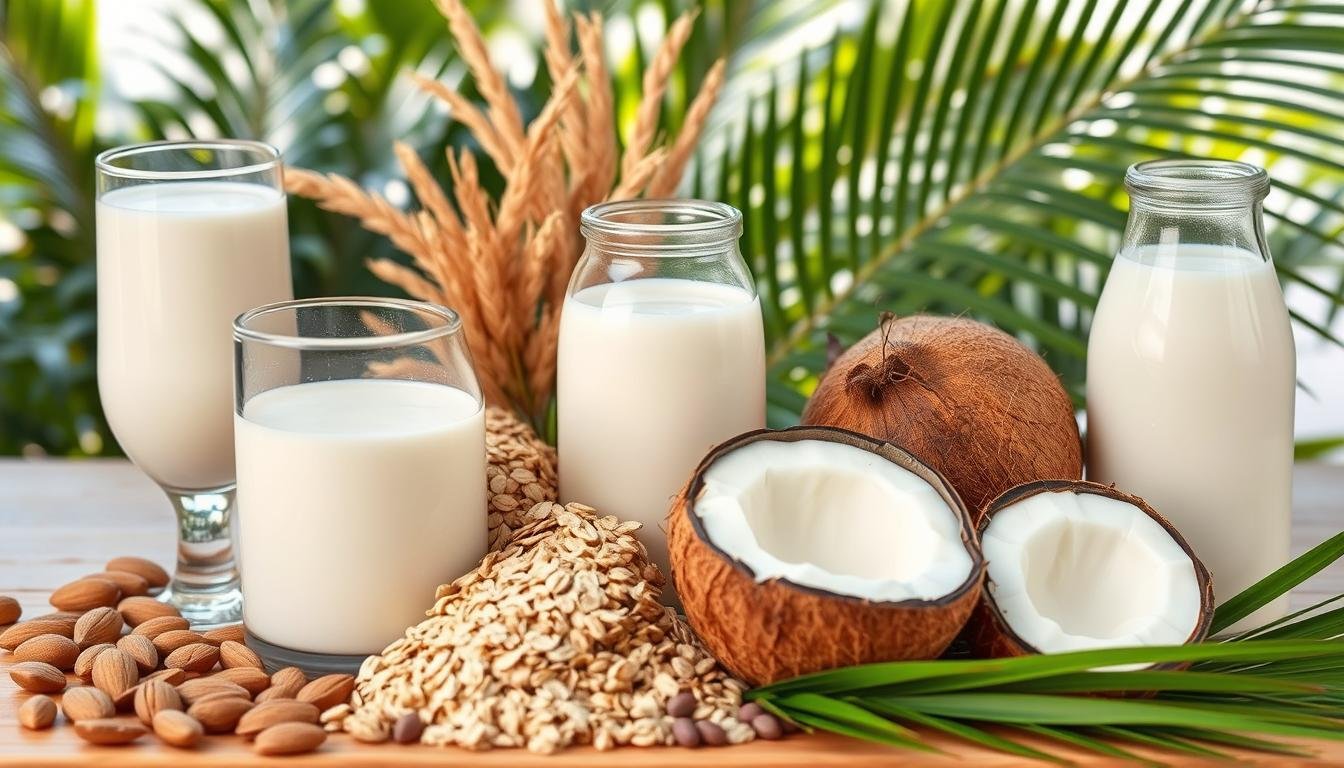
The world of plant-based milk has changed how we eat in the United States. About 68% of people worldwide can’t digest lactose. So, they’re turning to lactose-free options that are good for them and the planet.
“Plant-based milks are not just a trend, they’re a dietary revolution” – Food Innovation Expert
There are many plant-based milks to choose from, each with its own benefits. Let’s look at some of the most popular ones:
- Soy Milk: It has the most protein, with 7-12 grams per cup.
- Almond Milk: It’s full of vitamin E and has less protein.
- Oat Milk: It’s creamy and great for baking.
- Sunflower Milk: It’s low in calories and safe for those with allergies.
Plant-based milks are not just good for you. They also have calcium and vitamins, just like dairy. This makes them a strong choice for those looking for alternatives.
| Milk Type | Protein (g) | Calories | Key Nutrients |
|---|---|---|---|
| Soy Milk | 7-12 | 80-120 | Calcium, Vitamin D |
| Almond Milk | 1-2 | 30-50 | Vitamin E |
| Sunflower Milk | 3-4 | 50 | Magnesium, Iron |
It’s important to watch the sugar in flavored plant-based milks. Unsweetened ones are better for a healthy diet. Experts say to limit it to one or two servings a day. Use it for cooking, baking, or with cereal.
The market for plant-based milk is growing fast. It’s offering more and more options for those who care about their health and the environment.
Nutritional Comparison of Popular Milk Options
Choosing the right milk is about knowing its nutritional value. Each type of milk has its own benefits, making the choice both fun and complex. From dairy to plant-based, each option adds something special to your diet.
Let’s dive into the nutritional world of different milks. We’ll help you pick the best one for you.
Protein Content Analysis
Protein is key when picking milk. Here’s how different milks stack up:
- Cow’s milk: 8 grams of protein per cup
- Soy milk: 7 grams of protein per cup
- Pea milk: Approximately 8 grams of protein
- Oat milk: 3-4 grams of protein
- Almond milk: Typically 1-2 grams of protein
Calcium and Vitamin Levels
| Milk Type | Calcium (%DV) | Vitamin D (%DV) |
|---|---|---|
| Dairy Milk | 30% | 20% |
| Almond Milk | 45% | 25% |
| Soy Milk | 45% | 30% |
| Pea Milk | 45% | 30% |
Caloric Value Comparison
Knowing calories helps with diet goals. Here’s a quick look at calories per 8 fluid ounces:
- Whole Milk: 150 calories
- 1% Milk: 110 calories
- Skim Milk: 80 calories
- Unsweetened Almond Milk: 40 calories
- Unsweetened Soy Milk: 80 calories
“The right milk isn’t just about nutrition—it’s about finding what works best for your body and lifestyle.” – Nutritional Expert
When looking at nutritional profiles and flavors, remember fortified options are key. Dietitians suggest choosing milk alternatives with vitamin B12, vitamin D, calcium, and iodine.
Special Considerations for Dairy Alternatives
Exploring lactose-free alternatives needs careful thought about nutrition and what you like to eat. Not all milk substitutes are the same. Knowing their special traits is key to making good choices.
“Choose wisely: Your milk alternative can significantly impact your nutritional intake.”
When looking at dairy substitutes, keep these points in mind:
- Nutritional fortification levels
- Potential allergen risks
- Sugar and additive content
- Protein and mineral composition
The FDA suggests checking labels for nutrient info on milk alternatives. Soy beverages are the only plant-based milk in the Dietary Guidelines for Americans.
| Milk Type | Calories | Protein (g) | Calcium (mg) |
|---|---|---|---|
| Cow’s Milk | 148 | 8 | 425 |
| Soy Milk | 80-90 | 9 | 450 |
| Almond Milk | 30-45 | 1 | 560 |
Parents and those with special diets should be extra careful. Kids under 12 months shouldn’t have milk substitutes. But, kids 12-23 months can have fortified, unsweetened ones.
Pro tip: Always read labels well and talk to a nutritionist. This way, you can make sure your lactose-free choices fit your nutritional needs.
Environmental Impact of Different Milk Types
Milk is more than just a drink. It affects the environment in big ways. People are now thinking about how their milk choices impact the planet.
Knowing how milk affects the environment helps us make better choices. Each type of milk has its own environmental impact.
Carbon Footprint Analysis
The carbon footprint of milk production varies a lot:
- Dairy milk creates about three times more greenhouse gases than plant-based milks
- Dairy is responsible for 25-33% of carbon emissions in European diets
- Plant-based milks have much lower carbon emissions
Water Usage Comparison
| Milk Type | Water Usage (Gallons per Liter) |
|---|---|
| Cow’s Milk | 628 |
| Almond Milk | 130 |
| Soy Milk | 28 |
| Oat Milk | 48 |
Sustainable Production Methods
There are new ways to make milk that are better for the planet. Organic farming and using less land and water are key. These methods help make milk production more sustainable.
“Every milk choice is an environmental statement” – Sustainable Food Research Institute
Choosing milk alternatives can greatly reduce our environmental impact. Conscious consumption matters.
Health Benefits and Concerns
Looking into the nutritional profiles of various milks shows a mix of benefits and concerns. It’s important to know what you prefer when picking the right milk for you.
Dairy milk is packed with nutrients that are good for your health. The Dietary Guidelines for Americans suggest drinking three 8-ounce servings a day. This can help lower the risk of osteoporosis and increase calcium intake.
- Whole milk has 149 calories and 7.5g of protein per serving
- Low-fat milk has 102 calories and 8g of protein
- Fortified plant-based milks can have the same nutritional value as dairy milk
Plant-based milks have their own nutritional aspects to consider. Soy milk has as much protein as cow’s milk, and almond milk is lower in calories. The nutritional values differ greatly among different milks.
| Milk Type | Calories | Protein | Calcium |
|---|---|---|---|
| Whole Milk | 149 | 7.5g | 276mg |
| Soy Milk | 80 | 7g | 300mg |
| Almond Milk | 35 | 1g | 430mg |
Selecting milk is a personal journey that depends on individual health needs and dietary preferences.
People with certain health issues should look into special milks. Lactose-free milk is good for those with dairy sensitivities, and acidophilus milk helps with mild lactose intolerance. Some might need to watch out for risks with certain milk alternatives.
Talking to a healthcare professional is the best way to find the right milk for your needs.
Making the Right Choice for Dietary Restrictions
Finding the right milk can be tough for those with special dietary needs. If you have lactose intolerance, allergies, or need certain nutrients, knowing your options is key.
About 30% of people worldwide can’t digest lactose. This makes finding good milk alternatives very important.
Lactose Intolerance Solutions
For those with lactose intolerance, there are many good milk choices:
- Lactose-free dairy milk
- Soy milk (comparable protein content)
- Almond milk (low-calorie option)
- Oat milk (sustainable choice)
Allergen-Free Options
There are milk alternatives for different allergies:
| Allergy Type | Recommended Milk Alternative |
|---|---|
| Dairy Allergy | Almond, Oat, Rice Milk |
| Soy Allergy | Almond, Coconut, Rice Milk |
| Nut Allergy | Oat, Rice, Soy Milk |
Special Dietary Needs
There are milk types for different health goals:
- Low-fat diets: Skim milk or unsweetened almond milk
- High-protein requirements: Soy milk or cow’s milk
- Calorie-conscious: Almond milk (only 39 calories per cup)
“Dietary restrictions don’t mean compromising nutrition or taste – it’s about finding the right alternative for your needs.”
By looking into lactose-free options and different dietary needs, you can find the perfect milk for you.
Storage and Shelf Life of Different Milk Types
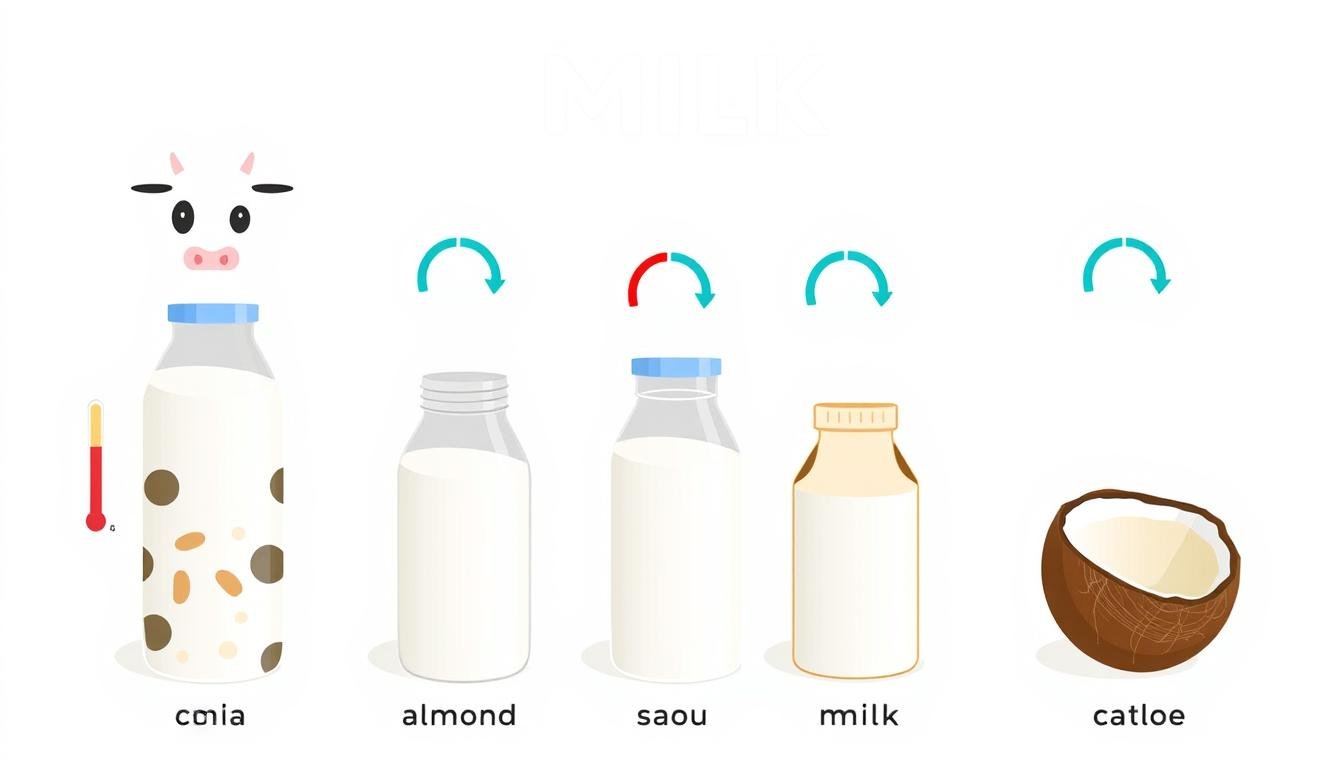
Knowing how to store different milks is key to keeping them fresh and nutritious. Each type needs special care to stay good for longer.
Dairy Milk Storage Guidelines
For dairy milk, keeping it cool is important. Store it at about 37°F to keep it fresh. Once opened, milk stays good for 5-7 days in the fridge.
- Whole milk: Refrigerate and consume within 7 days of opening
- Low-fat milk: Best used within 5-7 days
- Fat-free milk: Consume within 7 days
Freezing and Long-Term Storage
Freezing milk can extend its usability. Most milks can be frozen for up to three months. When thawed, use within three to four days for best taste and safety.
“Proper storage is the secret to maintaining milk’s nutritional quality and taste.” – Dairy Nutrition Expert
Plant-Based Milk Options
Plant-based milks need different storage rules. Unopened, shelf-stable milks can last up to three months. Once opened, most should be used in 7-10 days:
- Soy milk: Refrigerate after opening, use within 7-10 days
- Oat milk: Typically lasts 7-10 days after opening
- Almond milk: Best consumed within 7-10 days of opening
Always follow the package’s storage tips for your dairy or plant-based milk. This ensures they stay fresh and safe to drink.
Best Uses for Different Milk Types in Cooking and Baking
Exploring the world of milk shows us a rich tapestry of flavors and cultures. Each type of milk adds its own special touch to cooking and baking. This makes recipes come alive with unique qualities.
Knowing how different milks work in recipes can make you a better cook. Let’s explore the tasty world of milk uses:
Dairy Milk Cooking Techniques
- Whole milk (3.25% fat) makes creamy sauces and baked goods
- Reduced-fat milk is great for lighter dishes
- Skim milk offers low-calorie choices without losing texture
Plant-Based Milk Cooking Tips
Plant-based milks bring exciting options for various cooking needs:
- Soy milk: Perfect for protein-rich dishes and direct substitutes
- Oat milk: Great for baking and coffee because of its creamy texture
- Almond milk: Best for smoothies and light desserts
Taste and Texture Considerations
“The secret to great cooking is understanding how different milks interact with ingredients.”
Cultural influences greatly affect milk choices. Different cultures use milk in unique ways. This creates special flavors that show off regional cooking traditions.
Trying out different milks can change your cooking. It adds depth and complexity to old favorites.
Conclusion
The world of milk options is vast and varied. Plant-based milk sales jumped by 20% in 2020, making up 15% of sales. This shows how much choice we have today. Whether you need something for dietary reasons or just want the best nutrition, there’s something for everyone.
Choosing the right milk depends on what you need. About 36% of Americans can’t digest lactose, leading to more demand for non-dairy options. Each type of milk has its own benefits. Soy milk is high in protein, while oat milk is gluten-free.
Sustainability is also important when picking milk. 77% of people want to choose eco-friendly options. Gen Z is leading the way in this, showing that sustainable choices are worth it. Knowing the health and environmental effects of different milks helps us make better choices.
Finding the perfect milk is a personal journey. With so many options, from traditional dairy to new plant-based ones, we can all find something that fits our needs and tastes. It’s all about finding what works best for you.


Leave a Reply