Looking to spice up your outdoor space with some tasty greenery? Here are 10 edible garden ideas that not only look good but also yield delicious results. From visually pleasing planting combinations to helpful harvest tips and diagrams, these gardens blur the line between aesthetics and function, allowing you to enjoy your garden on multiple levels.
Herb Haven
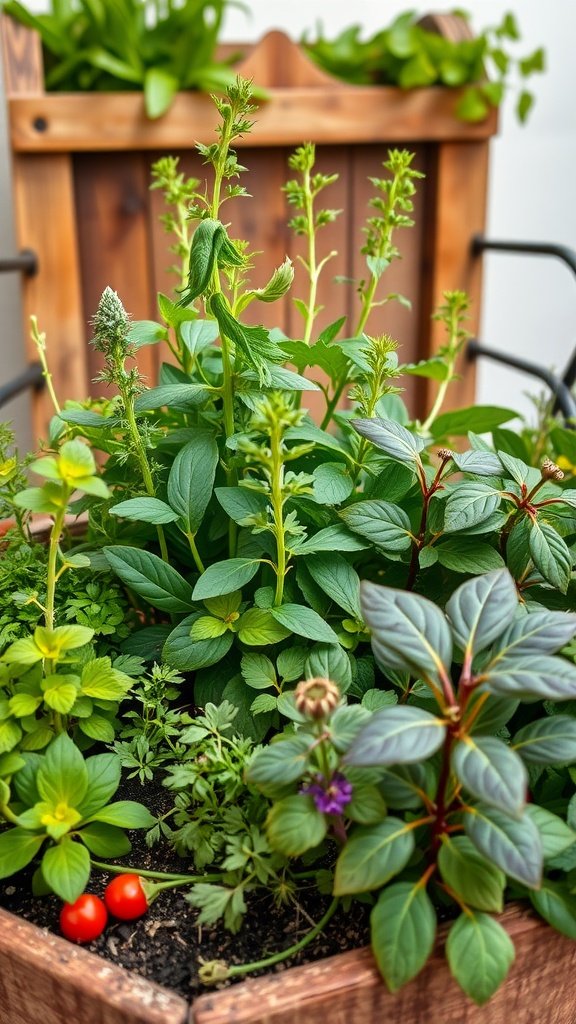
Imagine stepping into a space where beauty meets function, a delightful herb haven right in your backyard. This edible garden is a vibrant patch filled with a variety of herbs and vegetables, showcasing how you can grow your own food while adding charm to your outdoor space.
The image highlights an assortment of plants, from lush tomatoes to fragrant herbs like mint and basil. These plants not only make your meals tastier but also enhance the visual appeal of your garden. Consider mixing colorful flowers with your herbs to create a stunning garden to table experience.
For some easy vegetable garden ideas, try planting basil and tomatoes together. The aroma of basil can actually help your tomatoes grow better! Another combo to consider is pairing mint with cucumbers, adding freshness to your salads.
Harvest tips are straightforward. Regularly pick your herbs to encourage new growth, and don’t hesitate to use them in your cooking. Fresh herbs can elevate even the simplest dishes. So, whether you’re making pesto or adding a garnish to your favorite soup, your herb haven will surely serve up delightful flavors!
Fruitful Berry Patch

Picture a vibrant patch of strawberries and blueberries nestled among lush green leaves. This is not just a feast for the eyes; it’s a delightful garden that showcases how edible plants can enhance beauty while providing delicious fruit. The bright red strawberries hang temptingly from their vines, while clusters of blueberries add a pop of blue to the scene.
Creating your own fruitful berry patch is simpler than it seems. Start by choosing a sunny spot in your yard. Strawberries thrive in well-drained soil, making raised beds an excellent option. Blueberries, on the other hand, prefer acidic soil, so consider planting them in containers with specific soil mixtures if your garden soil isn’t ideal.
Mixing in edible flowers, like violets or pansies, not only adds aesthetic value but also attracts pollinators. These plants can be grown alongside your fruits and used in salads or as garnishes. Plus, they add a splash of color that makes the garden inviting.
As for harvest tips, pick strawberries when they are fully red and slightly firm, while blueberries should be plump and deep blue. Enjoy them fresh or use them in desserts, smoothies, or jams. This garden-to-table experience is incredibly satisfying, allowing you to grow your own food right in your backyard.
For more ideas on blending beauty with functionality in edible gardens, think about incorporating herbs or even dwarf fruit trees. A mix of plants can create a stunning backdrop while providing a bounty of fresh ingredients for your kitchen.
Edible Flower Garden
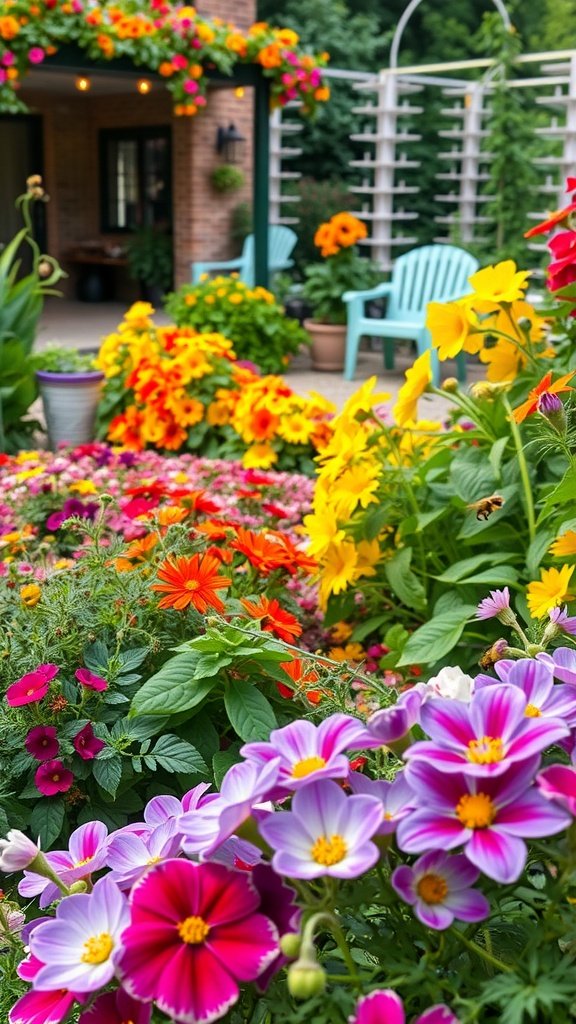
Creating an edible flower garden is a great way to combine beauty with function. Imagine stepping into a vibrant space filled with color and lovely scents, where every flower is not just pretty but also tasty.
Starting with flowers like nasturtiums, you can enjoy their peppery taste while they bring bright yellows and oranges to your garden. Pair them with herbs like basil or chives in your garden to table meals for a delightful experience. Consider planting edible varieties like pansies and violas; they not only look lovely in salads but also attract pollinators to your garden.
For a burst of colors, try adding zinnias or calendulas. These flowers can brighten up your vegetable garden ideas and are perfect for making infused oils or garnishes. Don’t forget to include sunflowers; their seeds are a great snack and they add height and drama to your space.
When planning your garden, think about combinations that will provide both visual appeal and delicious harvests. For example, planting marigolds next to peppers can help deter pests while giving your garden a pop of orange. Visuals matter, so sketch a simple layout to maximize both beauty and productivity.
Lastly, remember to always check which flowers are edible and safe to consume. With a little planning, your edible garden can be as lovely as it is delicious!
Vertical Garden Delight
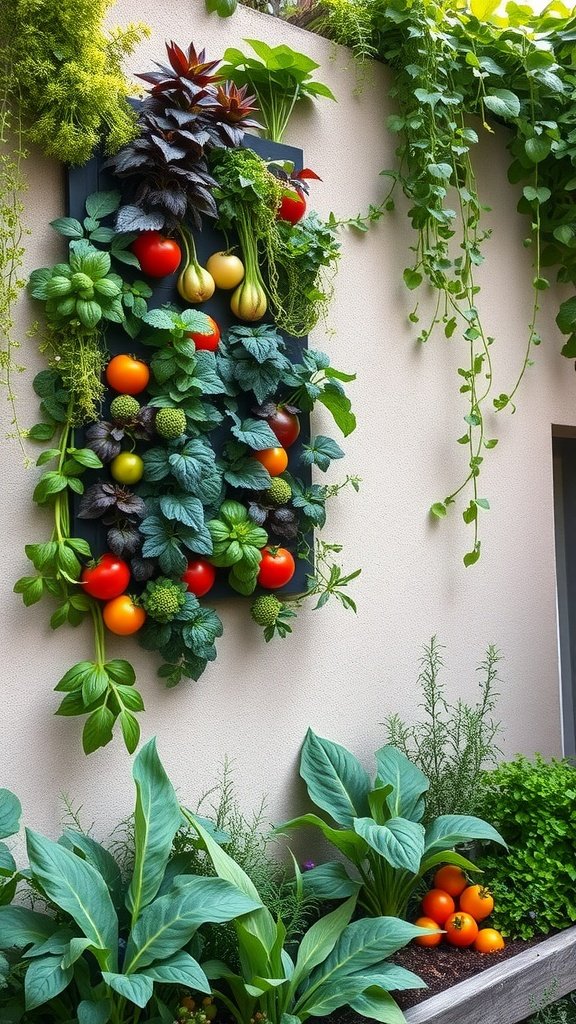
Imagine a garden that not only saves space but also adds a splash of color to your home. A vertical garden is a fantastic option for anyone looking to grow their own food in a limited area. In the image, we see a wall-mounted vertical garden filled with a variety of vegetables and herbs.
This setup features vibrant tomatoes, fresh basil, and other greens cascading down in an organized yet lively manner. It’s an excellent way to combine aesthetics with functionality. You can easily harvest these veggies for your favorite garden to table recipes!
For those seeking vegetable garden ideas, consider planting herbs like basil and mint alongside tomatoes and peppers. This creates a beautiful blend while maximizing your harvest. Plus, herbs can naturally repel pests, making your garden healthier.
To get started with your own vertical garden, install a planting wall or vertical planter system. Use a mix of soil and compost to nourish your plants. Be sure to assess sunlight exposure and water needs, as each plant may have different requirements. With the right care, your edible garden can thrive, bringing both beauty and delicious flavors to your meals.
Zen Vegetable Retreat
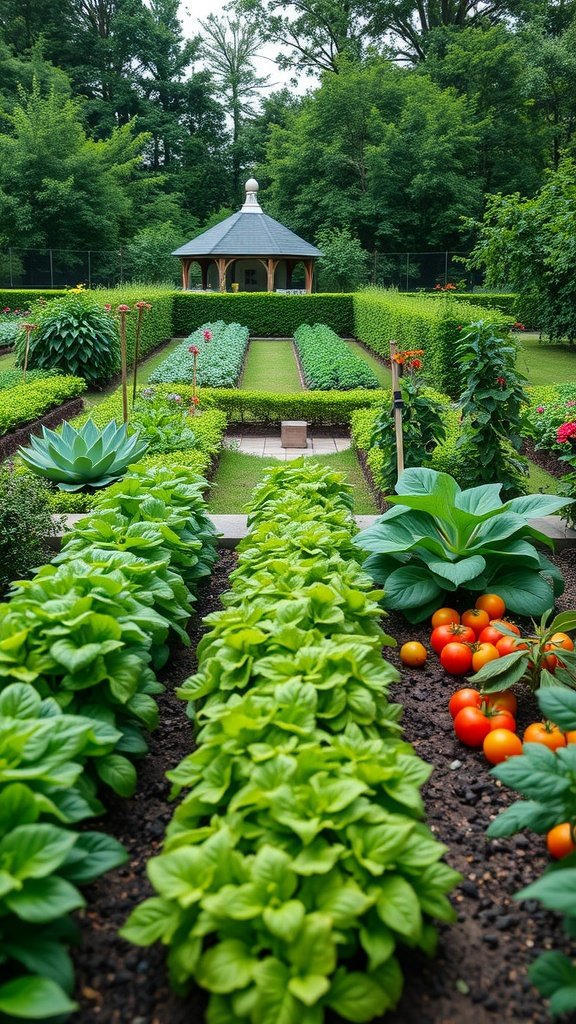
Picture a tranquil space where nature and nourishment come together. The Zen Vegetable Retreat is a stunning example of how a vegetable garden can be both beautiful and functional. With lush green rows of leafy plants and vibrant tomatoes peeking through, this garden encourages you to grow your own food while enjoying the peace of the outdoors.
When thinking about vegetable garden ideas, consider the layout and plant combinations that not only look appealing but also enhance yield. For instance, interplanting tomatoes with basil can not only save space but also improve the flavor of your harvest.
To create your own edible garden, think about incorporating pathways that lead to a central gazebo or seating area, making it perfect for relaxation and contemplation. This retreat exemplifies the garden to table concept, where you can easily pick fresh ingredients for a meal while enjoying the beauty around you.
For planting combos, consider pairing leafy greens like lettuce and spinach with edible flowers such as nasturtiums. Not only do these flowers add color, but they also attract beneficial insects. And don’t forget about layering your plants; taller crops like pole beans can provide shade for shorter ones, maximizing your space.
As you plan your garden, remember that harvest tips are crucial. Regularly check for ripe vegetables, and pick them promptly to encourage further growth. A well-maintained garden not only provides delicious produce but also a serene escape from the hustle and bustle of everyday life.
Culinary Fruit Orchard
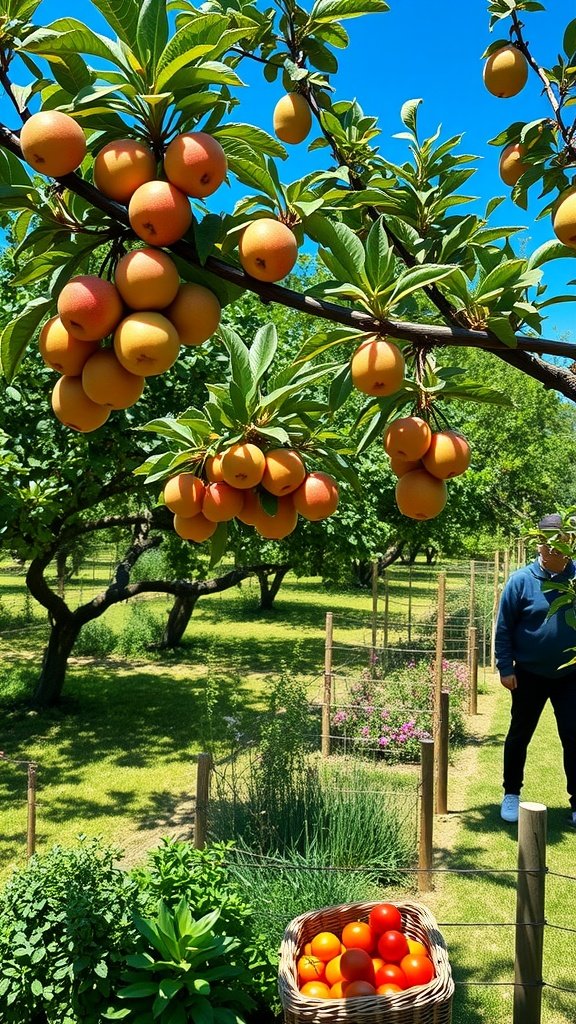
Imagine stepping into a garden where the air is sweet, and vibrant fruits hang just within reach. This culinary fruit orchard showcases the beauty of fruit trees, bursting with color and life. The branches are laden with juicy fruits, inviting you to pick and enjoy.
Creating an edible garden with a focus on fruits can transform your outdoor space into a delightful retreat. Consider combining various fruit trees like apples, pears, and berries to create a visually appealing and productive landscape. Pair taller trees with low-growing berry bushes for a layered effect. This not only maximizes space but also creates a striking visual contrast.
Harvesting these fruits is a rewarding experience. Depending on the type of fruit, you can enjoy fresh snacks right from the tree or use your harvest in delicious recipes. For example, freshly picked pears can be sliced and added to a salad or enjoyed with cheese. Taking the ‘garden to table’ approach enhances the joy of eating, as you can savor the fruits of your labor.
To keep your orchard thriving, remember to plant fruits that grow well in your local climate. Providing proper care, like pruning and watering, will help ensure a bountiful harvest. Consider using companion planting techniques to keep pests at bay naturally and promote healthy growth.
Visualize your garden with diagrams that highlight ideal planting layouts. This can guide you in arranging your trees and plants to maximize sun exposure and air circulation. With a little planning and care, you can create an edible garden that is both beautiful and functional.
Pollinator-Friendly Paradise
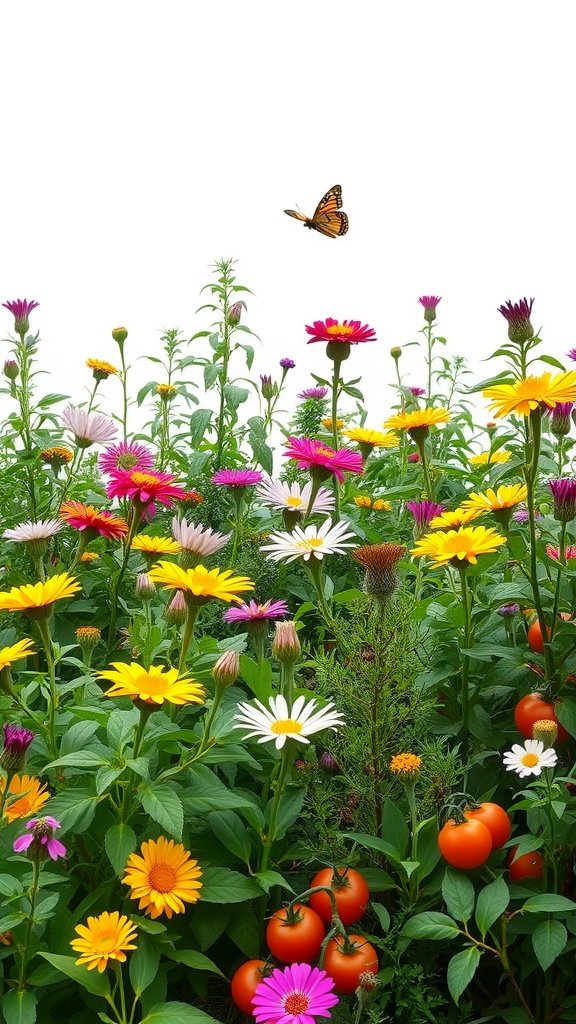
Creating a pollinator-friendly edible garden is a delightful way to blend beauty and function. Imagine walking through a vibrant landscape filled with colorful flowers, all while knowing you’re providing a haven for bees, butterflies, and other essential pollinators. This image captures that essence perfectly, showcasing a mix of bright blooms and luscious tomatoes, representing how an edible garden can enhance the natural world.
Here are some edible garden ideas that not only look great but also support the ecosystem. Start with bright blooms like marigolds or zinnias, which attract pollinators. Pair these with your favorite vegetables, like tomatoes or peppers. The combination not only adds vibrant colors but also maximizes your garden space effectively.
Consider planting herbs like basil and lavender alongside your veggies. Not only do they look appealing, but they also repel pests naturally. Harvesting fresh basil for a delicious pesto or sprigs of lavender for herbal teas can transform your meals from garden to table.
Another idea is to create vertical gardens using trellises. Climbing plants like peas or cucumbers can grow alongside flowering vines. This adds depth to your garden and makes it more visually engaging. Plus, you’ll save ground space while enjoying fresh produce.
For a more structured look, try raised beds with a mix of flowering perennials and annuals interspersed with your crops. This not only looks organized but also makes it easier to manage your garden. You can plant strawberries alongside daisies for a pop of color and sweetness.
Don’t forget about seasonal planting. Rotating your crops and incorporating seasonal flowers keeps your garden looking lively year-round. In the spring, plant radishes with pansies, and later in the summer, try zucchini with sunflowers. These combinations not only provide food but also a continuous show of color.
Lastly, consider using native plants in your edible garden. They are well adapted to your local environment and often require less care. Combine them with vegetables to create a stunning display that supports local wildlife.
Vibrant Vegetable Oasis
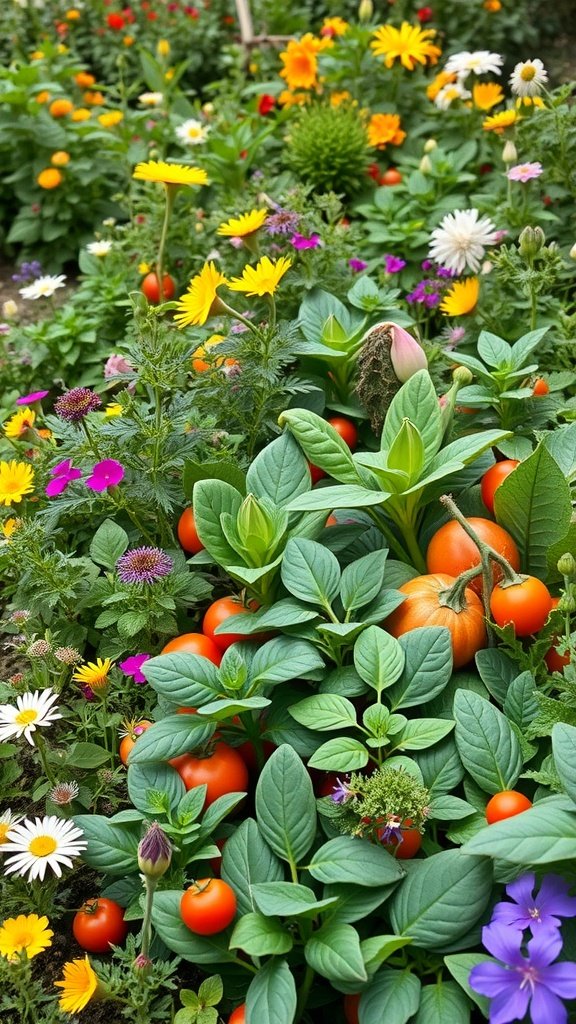
Imagine stepping into a garden where colorful flowers and fresh veggies grow side by side. This vibrant vegetable oasis combines beauty with function, making it a perfect edible garden. The sight of ripe tomatoes nestled among bright blooms can inspire anyone to grow their own food.
When planning your edible garden, consider planting combos that make both your eyes and taste buds happy. For instance, pairing cherry tomatoes with vibrant marigolds not only looks stunning but also helps deter pests. Adding herbs like basil alongside peppers can enhance flavors while providing a fragrant touch.
Harvesting becomes a joy when your garden is this lively. Cherry tomatoes can be picked throughout the summer, while colorful flowers can attract pollinators, ensuring a healthy vegetable crop. A well-planned garden to table experience elevates meals in delightful ways.
Here are a few vegetable garden ideas: try growing potatoes under a blanket of stunning flowers, or create a vertical garden with climbing beans and decorative trellises. These combos make the most of your space while ensuring a bountiful harvest.
Check out diagrams online that show how to layout your garden effectively. This can help you visualize where to place each plant for maximum beauty and yield. With these design tips, your edible garden can be both a feast for the eyes and a source of delicious produce!
Sustainable Permaculture Patch
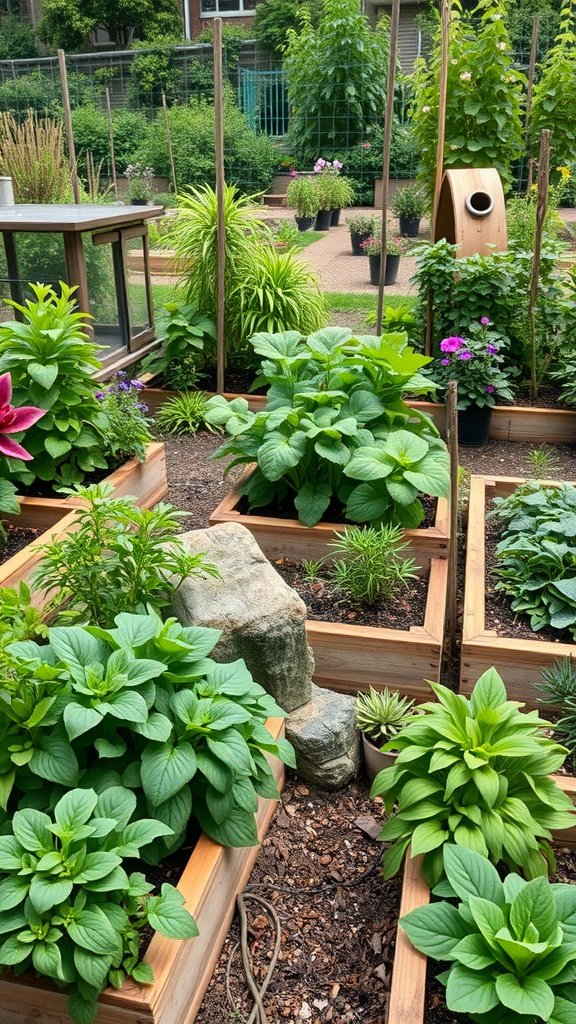
Picture a vibrant garden where beauty meets functionality. This sustainable permaculture patch showcases a variety of plants thriving in harmony. Raised wooden beds are filled with lush greens while colorful flowers add a cheerful touch. The arrangement encourages biodiversity and supports local ecosystems, making it not only a feast for the eyes but also a way to grow your own food sustainably.
When thinking about vegetable garden ideas, consider integrating edible flowers like nasturtiums alongside your favorite vegetables. These flowers attract pollinators and can be eaten in salads, adding color and flavor. For example, pairing leafy greens like spinach with herbs such as basil can create a delightful mix, both visually and taste-wise.
Harvest tips for this type of garden often emphasize timing. Picking vegetables like tomatoes when they’re just ripe ensures maximum flavor. Additionally, rotating crops each season can help maintain soil health and yield better harvests. Keeping a simple diagram of what to plant where can also make this process easier.
Creating an edible garden doesn’t just mean growing food; it’s about cultivating an experience. Whether you’re planning a small patch in your backyard or transforming a community space, think about how each plant contributes to the overall beauty and function of your garden. Use this permaculture approach to design a garden that truly reflects your taste and values.
Charming Kitchen Garden
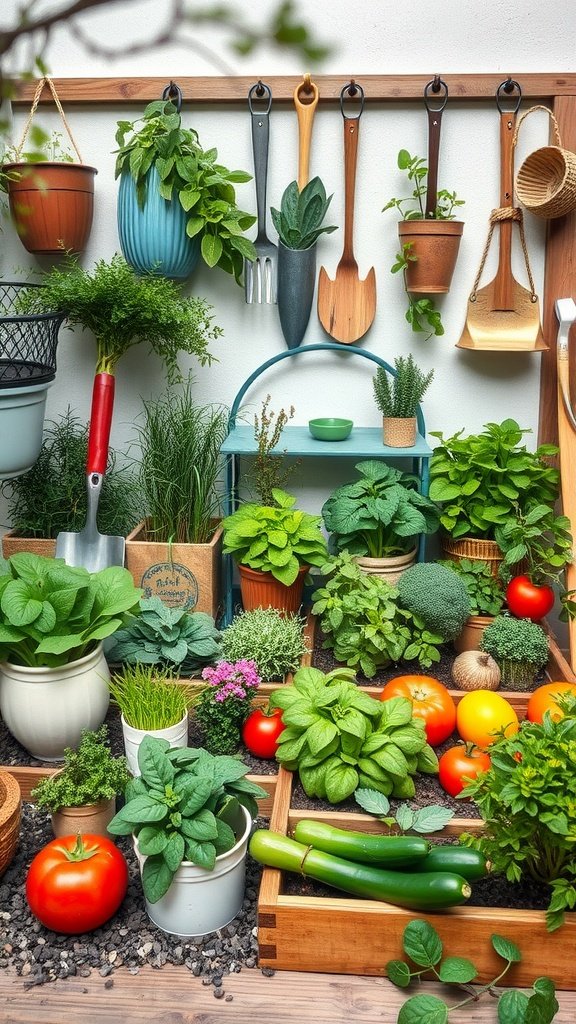
A charming kitchen garden is a delightful blend of beauty and utility. Imagine stepping out to a vibrant space filled with fresh herbs, colorful vegetables, and aromatic flowers. This setup not only enhances your cooking but also creates a charming atmosphere right at home.
One of the best aspects of an edible garden is that it encourages you to grow your own food. Consider a mix of herbs like basil and mint alongside leafy greens like spinach and kale. You can even add tomatoes and bell peppers for pops of color and flavor. This combination is not only visually appealing but also practical for cooking.
For planting combos, think about vertical gardening options. Hanging pots filled with herbs can save space while still looking beautiful. Additionally, using wooden crates or tiered planters can add layers to your garden design. This setup provides easy access to your vegetables while allowing for creative styling.
A fun way to enhance your garden is by incorporating seasonal blooms that can attract pollinators. Flowers like nasturtiums are edible and add a splash of color. Plus, they’re great companions for vegetables, helping to deter pests naturally.
Harvest tips? Regularly pick your herbs to encourage growth and use a gentle hand when harvesting vegetables to ensure the plant continues to thrive. Keeping your edible garden looking neat and organized will add to its charm, making it a wonderful space to enjoy.
To visualize your layout, sketch a simple diagram. Divide your garden into sections for herbs, leafy greens, and fruits. This will help you see the overall picture and plan for companion planting. Overall, a kitchen garden is a delightful way to enjoy the process of gardening while reaping the benefits of fresh, homegrown ingredients.


Leave a Reply