
I’ve seen my Labrador Retriever battle weight issues, a common problem for many purebreds. This experience made me realize the health challenges these dogs face. They’re not just numbers; they’re our beloved family members who need our care.
Purebred dog genetic disorders are serious issues. They affect our furry friends’ lives in big ways. From breathing problems to inherited conditions, these dogs need our special attention and understanding.
The world of purebred dogs is intricate. Generations of selective breeding have made them beautiful and unique. But, this process has also brought health risks. Each breed has its own health challenges, so it’s key for owners to stay informed and proactive.
Key Takeaways
- Purebred dogs are more susceptible to genetic health issues
- Selective breeding can increase risk of specific medical conditions
- Early detection and preventive care are crucial
- Not all purebred dogs will develop health problems
- Regular veterinary check-ups can help manage potential risks
Understanding Purebred Dog Health: Genetic Predispositions
The world of purebred dogs is complex, with genetics playing a big role in their health. Research shows important insights into genetic diseases in dogs and the challenges of certain breeds.
A study looked at 27,254 dogs from 1995 to 2010. It found key information about genetic health in purebreds:
- 42% of genetic disorders were more common in purebred dogs
- 10 specific genetic disorders were found to be riskier
- 215 dog breeds are recognized by major kennel clubs
- 396 inherited disorders have been found in purebred dogs
Impact of Limited Gene Pools
Closed breeding creates big genetic challenges. The focus on specific breed traits has led to big genetic differences. This might hurt genetic diversity.
“Genetic diversity is the lifeline of canine health and resilience.” – Veterinary Genetics Research Team
Role of Selective Breeding
Selective breeding has greatly affected dog genetics. The big changes during domestication and breed creation have hurt genetic diversity. Using popular sires can make things worse by reducing genetic variation.
Inherited Disease Patterns
Some key inherited disorders in purebred dogs include:
- Aortic stenosis
- Dilated cardiomyopathy
- Elbow dysplasia
- Intervertebral disc disease (IVDD)
- Epilepsy
Knowing about these genetic predispositions helps dog owners and breeders make better choices for health and breeding.
Dogs That Have a High Degree of Medical Issues
Some dog breeds face more health problems than others. Knowing which breeds are at higher risk can help owners plan for their pet’s health and costs.

There are certain breeds that are more likely to have health issues. Let’s look at some of the most vulnerable ones:
- English Bulldogs: Known for significant health challenges
- 50% experience skin problems
- 40-50% struggle with obesity
- 20% affected by hip dysplasia
- German Shepherds: Prone to complex medical conditions
- 19% develop hip dysplasia
- 15% suffer from allergies
- 10-20% experience heart disease
“Understanding breed-specific health risks is crucial for responsible dog ownership.”
These breeds often need special vet care and health plans. Owners should do their homework and get ready for any medical needs.
| Breed | Major Health Concerns | Prevalence Rate |
|---|---|---|
| English Bulldog | Respiratory Issues | 40-50% |
| German Shepherd | Hip Dysplasia | 19% |
| Great Dane | Bloat | 30-50% |
| Dachshund | Intervertebral Disc Disease | 25% |
Regular vet visits, good food, and knowing about genetics can help manage these health risks. This way, dogs with many medical issues can live healthier lives.
Brachycephalic Breeds: Special Health Concerns
Brachycephalic breeds like Pugs and Bulldogs have won the hearts of many. These cute dogs face special health issues. Their popularity has grown, with French Bulldogs and Bulldogs among the top 10 most popular, says the American Kennel Club.
These dogs have unique health challenges because of their faces. They often deal with serious medical problems that affect their life quality.
Breathing Difficulties and Airway Problems
Pugs and Bulldogs have big health worries. Here are some scary facts:
- 50% of Pugs and French Bulldogs show signs of Brachycephalic Obstructive Airway Syndrome (BOAS)
- 45% of Bulldogs face similar breathing problems
- Obese brachycephalic dogs are twice as likely to have breathing issues
Eye-Related Complications
Brachycephalic breeds are at risk for serious eye problems. Their face shape makes their eyes prone to injuries and chronic issues.
Temperature Regulation Issues
Brachycephalic breeds have trouble keeping their body temperature right. Their breathing issues make them very sensitive to heat and exercise. Owners must keep them cool and comfortable.
“Understanding these health challenges is crucial for providing the best care for our flat-faced friends.” – Veterinary Respiratory Specialist
Brachycephalic dogs live about 8.6 years on average. That’s 4.1 years less than other breeds. So, it’s key to manage their health well.
Common Joint and Skeletal Problems in Large Breeds
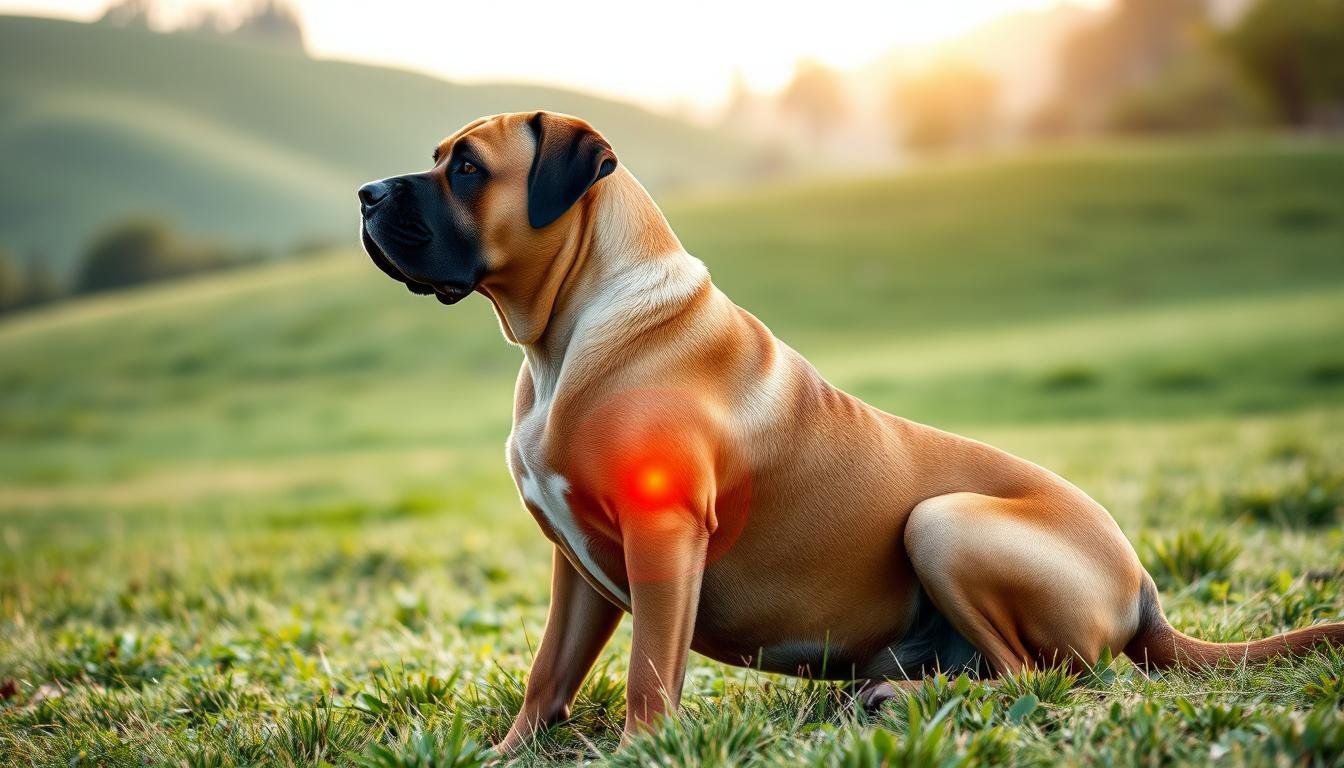
Large breed dogs have special challenges with their joints and bones. Hip dysplasia is a big problem for these big dogs. It’s a serious issue that can really affect their life quality.
“Prevention is always better than cure when it comes to your dog’s joint health.”
Big dogs often face joint problems because they grow fast and are heavy. Several things can lead to these issues:
- Rapid growth during puppy stages
- Excessive weight gain
- Genetic predispositions
- Nutritional imbalances
Vets say some breeds are more likely to get joint problems. German Shepherds, Rottweilers, and Labrador Retrievers are at high risk. They usually start showing signs of hip dysplasia between 4 to 12 months old. This can make moving really hard for them.
To keep their joints healthy, big dogs need a few things:
- Maintain a healthy weight
- Provide balanced nutrition
- Regular veterinary check-ups
- Appropriate exercise
- Joint supplements
Early detection and proactive care can significantly improve a large breed dog’s long-term joint health and overall quality of life.
Eye and Vision Problems in Purebred Dogs
Purebred dogs often face eye health issues due to their genetics. About 35% of them have inherited eye problems. These can greatly affect their quality of life.
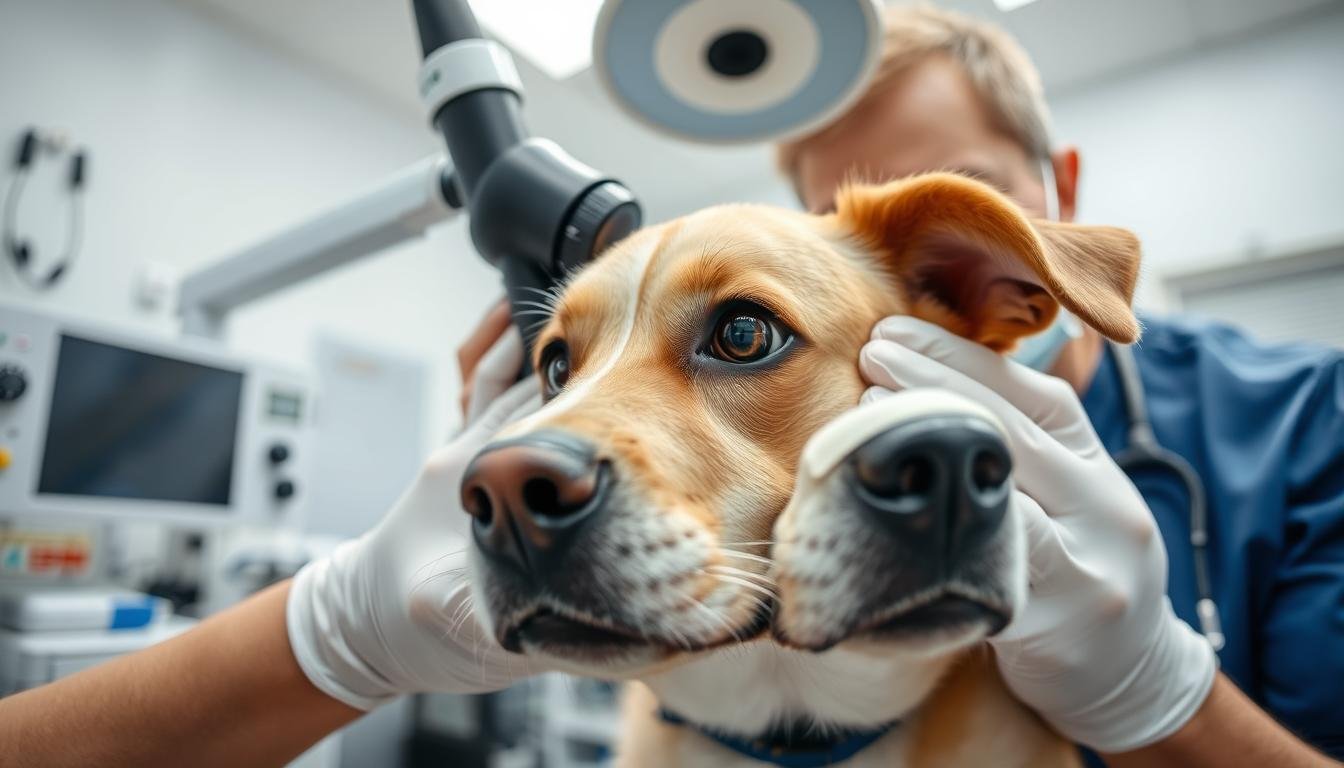
Eye disorders in purebred dogs come from complex genetics. This knowledge helps owners manage their dog’s eye health better.
Glaucoma and Breed Susceptibility
Some breeds are more likely to get glaucoma. These include:
- Basset Hounds
- American Cocker Spaniels
- Chow Chows
Glaucoma treatment can cost between $500 and $3,500. Early detection and care are crucial.
Retinal Issues and Genetic Factors
Retinal dysplasia is a big worry for purebred dogs. Progressive retinal atrophy (PRA) can start at 2-3 months. If not treated, it can cause blindness.
At-risk breeds include:
- Labrador Retrievers
- German Shepherds
- Standard Poodles
Emergency Eye Conditions
“Prevention and early intervention are key to maintaining your dog’s vision health.”
Eye emergencies like sudden vision loss need quick vet care. Regular eye checks can catch problems early.
Heart and Respiratory Conditions
Dogs need special care for heart and lung issues. Some breeds face more risks and need close monitoring and treatment.
Congestive heart failure (CHF) is a big worry, with 80% caused by mitral valve problems. It mainly hits small to medium breeds, making it tough for owners.
“Understanding your dog’s unique health risks is the first step in providing optimal care and extending their quality of life.” – Veterinary Cardiology Association
Key Heart and Respiratory Health Indicators
- Persistent coughing
- Difficulty breathing
- Reduced exercise tolerance
- Swollen abdomen
- Pale or bluish gums
Tests help diagnose these issues. They include:
| Diagnostic Test | Purpose |
|---|---|
| Chest X-rays | Evaluate heart size and lung changes |
| Electrocardiogram (ECG) | Measure heart rate and detect rhythm irregularities |
| Echocardiogram | Assess heart contraction efficiency |
Respiratory diseases are big risks for puppies and older dogs. Early detection and professional care can greatly improve their chances.
Treatment often involves several steps. This includes medicines like bronchodilators and diuretics. They target specific heart or lung problems in at-risk breeds.
Breed-Specific Neurological and Immune System Disorders
Purebred dogs often face unique neurological challenges due to their genetic background. Canine hereditary diseases can manifest in complex neurological and immune system disorders. These disorders affect specific dog breeds differently.
Epilepsy in Susceptible Breeds
Idiopathic epilepsy is the most common cause of seizures in dogs. Some breeds are more prone to neurological conditions due to their genetic makeup. For example, Belgian Shepherds and Golden Retrievers have inherited neurological disorders linked to specific genetic variants.
- Seizures lasting over 5 minutes require immediate veterinary attention
- Genetic predisposition increases epilepsy risk in specific breeds
- Some breeds have higher rates of inherited neurological conditions
Autoimmune Conditions
Immune-mediated inflammation causes about 25% of central nervous system diseases in dogs. Young to middle-aged small breed dogs are most at risk. These conditions are complex and can be challenging to manage.
| Condition | Affected Breeds | Average Age of Onset |
|---|---|---|
| Granulomatous Meningoencephalitis | Small Breeds | 4-8 years |
| Necrotizing Meningoencephalitis | Pugs, Yorkies, French Bulldogs | Under 4 years |
White Dog Shaker Syndrome
This rare neurological disorder mainly affects small white dog breeds. Characterized by full-body tremors, it can be tough for owners to manage. But, with the right veterinary care, it is treatable.
Understanding genetic predispositions helps owners provide targeted care for dogs with neurological challenges.
Preventative Care and Health Screening
Preventative care is key to keeping your dog healthy for years. Regular vet visits help spot health problems early. This ensures your dog stays happy and healthy.
“An ounce of prevention is worth a pound of cure” – This adage perfectly captures the essence of veterinary care for dogs.
Comprehensive preventative care includes:
- Annual wellness exams
- Core vaccinations
- Parasite prevention
- Dental health maintenance
- Regular blood work and screening
Vets suggest a proactive approach to dog health screening. Essential screenings for your dog’s well-being are:
| Screening Type | Frequency | Purpose |
|---|---|---|
| Annual Physical Exam | Once or Twice Yearly | Overall Health Assessment |
| Blood Tests | Annually | Detect Organ Dysfunction |
| Heartworm Test | Annually | Prevent Serious Disease |
| Dental Cleaning | 1-2 Years | Prevent Oral Health Issues |
Genetic testing and breed-specific screenings can provide additional insights into potential health risks for purebred dogs. Investing in preventative care helps your dog avoid serious health issues. It ensures a better quality of life.
Early detection through regular vet visits saves money and heartache. Your commitment to preventative care shows you truly love and care for your dog.
Conclusion
Understanding the health needs of purebred dogs is key. Dogs with health issues can still be happy and healthy with the right care. With 63 million households in the U.S. owning dogs, many are learning about breed-specific health.
Preventative care is vital for managing health risks in dogs. Regular vet visits, genetic tests, and targeted care can greatly improve their lives. Knowing the health risks of different breeds helps owners make better choices for their pets.
Even with health challenges, purebred dogs can be wonderful companions. Early detection and good medical care are crucial. With the right approach, dogs can thrive despite health issues.
Our guide helps pet owners navigate the health needs of their dogs. It shows how to balance health concerns with the joy dogs bring. Each dog is special, and with love and care, they can overcome many health challenges.


Leave a Reply