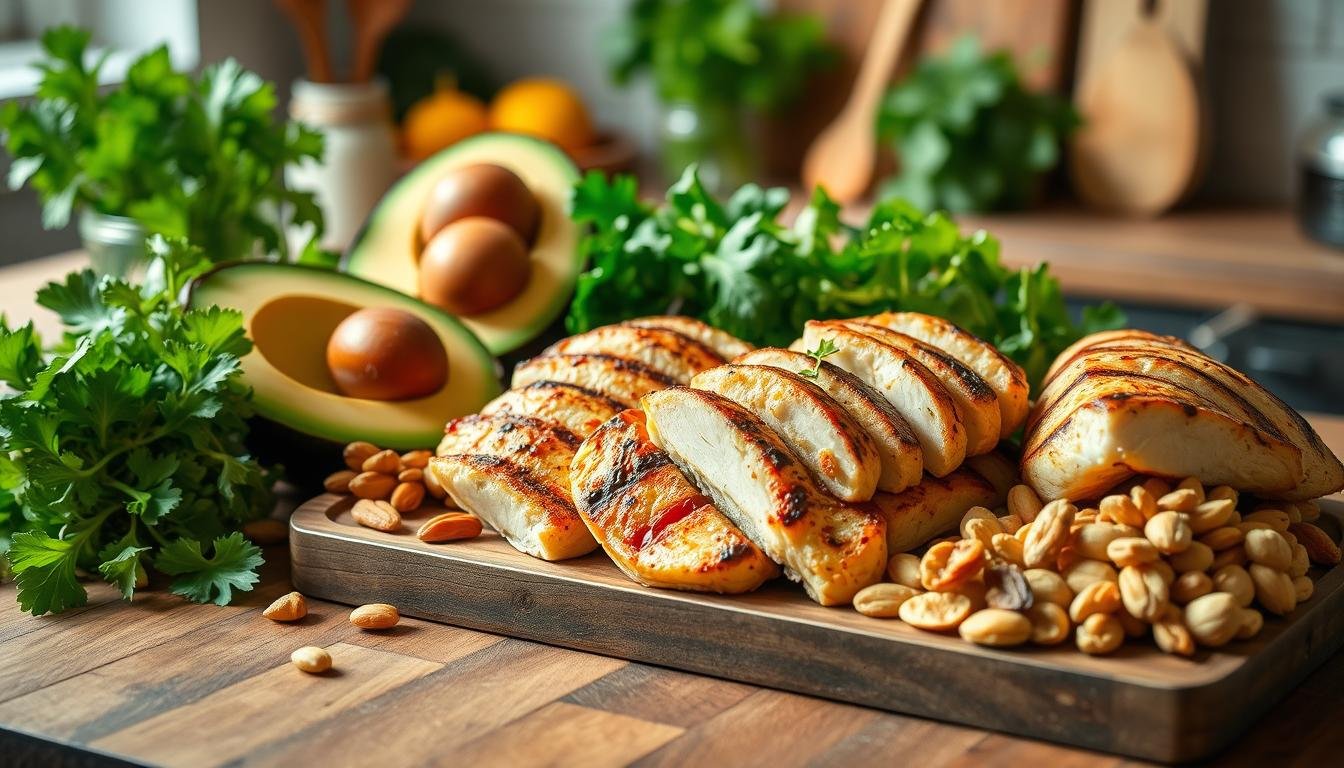
“Success is the sum of small efforts, repeated day in and day out,” said Robert Collier. This is very true in the world of nutrition and weight loss. The ketogenic diet is a powerful way to change health, with keto protein being key to amazing weight loss.
In 2016, obesity hit 13% of adults worldwide. This led researchers and health fans to look for better diets. The ketogenic diet is a game-changer, with people losing 2.2 times more weight than on low-calorie diets.
Keto protein is more than just a diet trend. It’s a science-backed way to make your body burn fat called ketosis. By balancing protein, you can lose weight, keep muscle, and boost your metabolism.
Key Takeaways
- Keto protein supports significant weight loss beyond traditional dieting
- The ketogenic diet can improve insulin sensitivity by up to 75%
- Protein plays a critical role in maintaining muscle during weight loss
- Ketogenic approaches have shown remarkable results in metabolic health
- Understanding protein intake is key to successful ketogenic dieting
Understanding the Ketogenic Diet Fundamentals
The ketogenic diet is a new way of eating that changes how our body uses energy. It cuts down on carbs, making our body burn fat for fuel instead.
This diet focuses on eating more fat and less carbs. It helps our body switch from using glucose to ketones for energy. This change can help with weight loss and better health.
The Science Behind Ketosis
Ketosis happens when we eat less than 50 grams of carbs a day. Our body then uses fat to make ketone bodies. These ketones help our brain and muscles work well, making fat burning easier.
- Typical carbohydrate intake: 20-50 grams per day
- Fat generates more ATP compared to glucose
- Ketones provide a more stable energy source
Macro Distribution on Keto
| Macronutrient | Percentage | Grams (2000 kcal) |
|---|---|---|
| Fat | 70-75% | 155-167g |
| Protein | 20-25% | 100-125g |
| Carbohydrates | 5-10% | 25-50g |
Role of Insulin in Ketosis
Eating less carbs means our body makes less insulin. Less insulin lets fat cells release their stored energy. This helps us lose weight and stay healthy.
“Ketosis transforms your body from a sugar-burning machine to a fat-burning powerhouse” – Metabolic Health Experts
Knowing these basics helps us use the ketogenic diet for lasting weight loss and better health.
Keto Protein: Essential Building Blocks for Weight Loss
Protein is key in the ketogenic diet for losing weight and improving body shape. It helps keep muscle mass while losing fat. The right amount of protein keeps muscle when eating fewer calories.
Protein’s role in a ketogenic diet is vital. It offers several benefits:
- Preserves muscle mass during weight loss
- Supports metabolic function
- Increases feelings of fullness
- Provides essential amino acids
Here are some healthy protein options for keto dieters:
| Protein Source | Protein Content | Keto-Friendliness |
|---|---|---|
| Grass-fed beef | 22g per 3 oz | Excellent |
| Wild-caught salmon | 19g per 3 oz | High |
| Organic eggs | 6g per egg | Very Good |
“Protein is not just about muscle — it’s about overall metabolic health and sustainable weight loss.” – Nutrition Expert
Studies show that keto dieters should eat 1.2 to 2.0 grams of protein per kilogram of body weight. This helps keep muscle and supports fat loss.
How Protein Supports Fat Burning in Ketosis
Protein powder is key in changing how your body works in ketosis. It helps you lose weight by changing your metabolism.

Protein is more than just for building muscles. It’s a powerful tool when you eat it right on a keto diet.
Protein’s Impact on Metabolism
Research shows protein’s role in losing weight:
- Increases basal metabolic rate
- Boosts feelings of fullness
- Supports lean muscle preservation
Gluconeogenesis Process
The body has a special way to turn protein into glucose when you don’t eat carbs. This keeps blood sugar stable and helps burn fat.
“Protein is the unsung hero of metabolic flexibility during ketosis.” – Nutrition Experts
Muscle Preservation Benefits
Studies show protein’s benefits in losing weight:
- Prevented muscle mass reduction by approximately 0.8 kg
- Maintained resting energy expenditure
- Reduced perception of overall stress during caloric restriction
Using protein powder can help athletes and fitness fans keep their muscles while losing weight.
Optimal Protein Sources for Ketogenic Success
Finding the right keto-friendly protein sources is key for a successful ketogenic diet. It’s important to choose healthy proteins that meet your nutritional needs without adding too many carbs.
Protein is vital in the ketogenic diet, making up 10-20% of your daily calories. Experts say you should eat 0.6 to 1 gram of protein for every pound of lean body mass.
Top Protein Sources for Keto
- Eggs (pasture-raised provide more nutrients)
- Fatty fish like salmon and tuna
- Grass-fed beef
- Turkey
- Cheese varieties
- Selected nuts and seeds
Animal proteins are great for keto dieters. Grass-fed beef and fatty fish give you important proteins and healthy fats. These fats help keep you in ketosis.
| Protein Source | Protein (g) | Carbs (g) | Additional Benefits |
|---|---|---|---|
| Large Egg | 6 | 0.6 | High in omega-3, vitamins A and E |
| Salmon (3 oz) | 22 | 0 | Rich in omega-3 fatty acids |
| Cheddar Cheese (1 oz) | 6 | 1 | Good calcium source |
Smart protein selection is the cornerstone of a successful ketogenic diet strategy.
When picking keto-friendly protein, go for nutrient-dense options. These help with metabolism and keeping muscles strong. But, too much protein can kick you out of ketosis. So, it’s all about finding the right balance.
Balancing Protein Intake Without Breaking Ketosis
Managing protein on a keto meal prep diet is key. Knowing how much protein you need is vital for losing weight and staying healthy.

Daily Protein Requirements
Protein needs change based on your body weight, how active you are, and your fitness goals. Most keto dieters should aim for:
- 1.2 to 2.0 grams per kilogram of body weight
- 20-25% of total daily calories
- Approximately 0.8 grams of protein per pound of body weight
Protein Timing Strategies
Timing your protein intake can make your keto meal prep better. Experts suggest:
- Spreading protein intake evenly throughout the day
- Consuming protein with each meal
- Targeting around 20-30 grams per meal
“Protein timing is just as important as total protein consumption on a ketogenic diet.”
Warning Signs of Excessive Protein
Eating too much protein can kick you out of ketosis. Look out for these signs:
- Increased blood sugar levels
- Reduced ketone production
- Unexpected weight loss stalls
- Potential insulin spikes
Finding the right amount of protein is crucial for keto meal prep. It helps keep your muscles strong and you in ketosis.
Common Mistakes When Adding Protein on Keto

Adding protein to a ketogenic diet can be tricky. Many people make mistakes that can stop them from reaching their low-carb protein goals. These errors can also mess up ketosis. It’s important to know these common mistakes to stay on track.
Getting the right amount of protein is key. Too much protein is a big mistake. If you eat too much, your body might turn it into glucose. This can take you out of ketosis.
“Not all protein is created equal on a keto diet. Quality matters as much as quantity.”
- Mistake 1: Consuming protein without tracking macronutrients
- Mistake 2: Choosing low-quality protein sources
- Mistake 3: Ignoring protein’s impact on insulin levels
- Mistake 4: Neglecting protein distribution throughout the day
Knowing how much protein you need is crucial. For keto, aim for 1.5 to 2.0 grams of protein per kilogram of body weight. This helps keep your muscles and stays in ketosis.
| Protein Source | Protein (grams) | Carbs (grams) |
|---|---|---|
| Eggs (2 large) | 14 | 1 |
| Chicken Breast (4 oz) | 28 | 0 |
| Macadamia Nuts (1 oz) | 7 | 4 |
Picking the right protein is important. Choose high-quality, low-carb options. They help you meet your nutritional needs without breaking ketosis.
Meal Planning for High-Fat, Adequate-Protein Keto Diet
Creating a great keto meal plan needs careful planning and the right mix of nutrients. Using keto meal prep protein is key to making meals that are tasty and good for you. These meals help with weight loss and keep your metabolism healthy.
To do well on the keto diet, you must know how to control your portions and what to eat. The right plan can change how you eat and help you reach your health goals.
Sample Meal Structures for Optimal Nutrition
A good keto meal should have the right amounts of nutrients. Here’s what it should look like:
- Protein: 15-20% of total calories
- Fats: 70-75% of total calories
- Carbohydrates: 5-10% of total calories
Portion Control Guidelines
It’s important to keep track of what you eat to stay in ketosis. Keto snacks protein can fill in the gaps between meals.
| Meal Type | Protein Serving | Fat Serving | Carb Limit |
|---|---|---|---|
| Breakfast | 3-4 oz | 1-2 tbsp healthy oils | 5-10g |
| Lunch | 4-5 oz | 2-3 tbsp avocado/nuts | 10-15g |
| Dinner | 4-6 oz | 3-4 tbsp olive oil | 10-20g |
“Precision in meal planning is the key to ketogenic success” – Nutrition Experts
Pro tip: Always measure your portions and track your macronutrients to ensure you stay within the recommended ketogenic ranges.
Health Benefits Beyond Weight Loss
The ketogenic diet offers more than just weight loss. It has a big impact on our body systems. This changes how we see nutrition and health.
Metabolic health is a key benefit of this diet. Studies show big improvements in managing chronic conditions. For those with type 2 diabetes, it’s a game-changer:
- 50% more people reached normal blood sugar levels
- 94% cut down or stopped insulin therapy
- Average weight loss of 30.4 pounds
Protein sources are key in these changes. The diet helps control insulin, lowers inflammation, and boosts cell health.
“The therapeutic ketogenic diet can fundamentally reshape metabolic functioning” – Metabolic Health Research Institute
Cognitive benefits are another exciting part of the ketogenic diet. Brain function gets a big boost:
- Enhanced working memory
- Improved visual attention
- Better task-switching performance
Research shows ketones might be a better fuel for brain cells. This could help protect against age-related brain decline.
With 34 million Americans dealing with type 2 diabetes, the ketogenic diet is a hopeful solution. It’s a way to manage health comprehensively.
Managing Potential Side Effects and Challenges
Starting a ketogenic diet can come with its own set of challenges. Using keto supplements with protein can help tackle many common issues. This way, you can keep your weight loss journey on track.
- Keto Flu: Initial fatigue and discomfort during diet adaptation
- Potential nutrient deficiencies
- Digestive challenges like constipation
- Fluctuations in energy levels
“Understanding these challenges is the first step to successfully managing your ketogenic lifestyle.”
About 10% of those on a ketogenic diet may struggle with constipation. Keto supplements with protein can help fill nutritional gaps. They also support your metabolic health.
Here are some ways to handle side effects:
- Increase hydration
- Consume adequate fiber-rich vegetables
- Supplement with essential minerals
- Monitor protein intake carefully
By knowing these challenges and using the right solutions, you can manage keto diet side effects. This way, you can keep your nutrition and weight loss goals in check.
Conclusion
The ketogenic diet is becoming more popular, with 25.4 million searches in 2020. It’s not just for losing weight. Studies show it can also improve health significantly.
Adding keto protein to your diet can be very helpful. Obesity affects 42% of Americans. This diet offers a proven way to change your metabolism.
Studies have shown great results. People lost weight, improved their blood sugar, and got healthier.
Your keto protein journey is just starting. Learning about macronutrients and when to eat protein is key. Choosing the right protein sources is also important.
Remember, everyone’s results are different. Talking to a doctor can help make your diet plan better.
The global market for the ketogenic diet was $9.57 billion in 2019. Keep learning and stay committed to your health goals.


Leave a Reply